








New Plant-Based Recipes Gaining Popularity Among Busy Families

In a major leap forward for environmental science, researchers have unveiled a groundbreaking new method that could drastically improve the cleanliness of ocean water. The method, developed by a team of marine biologists and engineers, uses a combination of nanotechnology and advanced filtration systems to remove microplastics, oil residues, and toxic chemicals from seawater — faster and more efficiently than ever before.

The new approach centers around specially engineered nanomaterials that attract and bind with pollutants on a molecular level. These particles are then filtered out through a solar-powered purification system, making it not only effective but also environmentally sustainable.

What sets this method apart is its ability to target microplastics — the most elusive and harmful pollutants threatening marine ecosystems today. Traditional cleanup technologies often miss these tiny fragments, but this new system captures them with over 90% efficiency.

The Changing Landscape of Entertainment

One of the biggest differences between 2007 and 2024 is the way audiences consume content. In 2007, traditional network television was still king, and reality TV provided an easy-to-produce, unscripted alternative to keep viewers engaged. But in 2024, the entertainment landscape has radically shifted. Streaming services, on-demand content, and social media platforms dominate the scene, offering viewers endless choices beyond what’s available on cable or network TV.

Reality TV Fatigue

Another factor contributing to the decline of reality TV in 2024 is simple burnout. The genre has been oversaturated for years, with countless iterations of talent competitions, dating shows, and survival challenges crowding the airwaves. What once felt fresh and exciting has become formulaic and repetitive. New reality concepts struggle to break through the noise, while older shows like The Bachelor and Keeping Up with the Kardashians have either ended or seen viewership dwindle.

The rise of social media influencers and YouTube personalities has also blurred the lines of “reality” entertainment. Platforms like Instagram and TikTok offer users a more personal, unfiltered view into people’s lives—often with more authenticity than heavily produced reality TV. For a generation raised on short-form, user-generated content.

Engaging Nonfiction Stories

The Rise of Competition: Docuseries and High-Quality Productions

Another genre is also encroaching on reality TV’s space—docuseries. With true crime, investigative documentaries, and high-quality, multi-part series taking center stage, viewers are flocking to well-researched, deeply engaging nonfiction stories. These docuseries often provide more substance than reality TV, with compelling narratives that feel more authentic and educational. Streaming platforms are investing heavily in this content, attracting viewers who might have previously tuned into reality TV for an entertaining escape.

Ironically, the ongoing 2024 writers strike may have hurt reality TV more than it helped this time around. While it once provided an opportunity for unscripted content to dominate, today’s strike has caused uncertainty across the entire entertainment industry. Even though reality TV is unscripted, many of these shows rely heavily on behind-the-scenes writing teams for story shaping, post-production edits, and narrative development. With production delays and fewer resources, the quality of reality programming has suffered.

In addition, networks and streaming platforms are less dependent on traditional reality content to fill gaps, thanks to their vast libraries of on-demand content and international shows, which can be quickly dubbed or subtitled.

Reality TV isn’t dead—it’s evolving. While the traditional model is hurting, we may see a new era of innovation within the genre. Producers will need to get more creative, offering new formats, interactive elements, or integrating technology like virtual reality to engage audiences. Shorter, punchier series designed for streaming platforms or new niche reality shows could help revive interest.

Ultimately, reality TV’s struggles in 2024 reflect broader changes in how we consume entertainment. The genre that once thrived during a content drought in 2007 is now facing stiff competition from a wide array of engaging, on-demand alternatives. To survive, reality TV will have to adapt to this new digital-first landscape.

Viewers now expect more curated, higher-quality content than ever before. Streaming giants like Netflix, Amazon Prime, and Disney+ offer highly produced series with cinematic storytelling, making traditional reality TV look cheap by comparison. Furthermore, streaming platforms have dipped into the reality genre themselves, but with more focused, niche offerings like The Circle or Love Is Blind. These shows cater to specific audiences and thrive on the binge-watching format, leaving older reality shows struggling to maintain weekly viewer engagement.

Perhaps one of the biggest shifts impacting reality TV is the rise of social media and influencer culture. Platforms like TikTok, Instagram, and YouTube offer a more authentic and unfiltered look into people’s lives than traditional reality shows. Influencers, with their real-time interactions and behind-the-scenes content, have become the new reality stars. The constant flow of content from influencers feels more personal and less produced, which resonates with today’s audiences.

Reality TV’s original appeal came from offering viewers a peek behind the curtain of real life. But in 2024, social media has democratized this concept. Now, anyone with a smartphone can share their life, making it harder for reality TV shows to maintain the same level of intrigue.

People ignore design that ignores people. Good design is all about making other designers feel like idiots because that idea wasn’t theirs. Design is the conscious effort to impose a meaningful order.

Andrew Bennett

Furthermore, streaming platforms have dipped into the reality genre themselves, but with more focused, niche offerings like The Circle or Love Is Blind. These shows cater to specific audiences and thrive on the binge-watching format, leaving older reality shows struggling to maintain weekly viewer engagement.

Platforms like TikTok, Instagram, and YouTube offer a more authentic and unfiltered look into people’s lives than traditional reality shows. Influencers, with their real-time interactions and behind-the-scenes content, have become the new reality stars. The constant flow of content from influencers feels more personal and less produced, which resonates with today’s audiences.

Reality TV’s original appeal came from offering viewers a peek behind the curtain of real life. But in 2024, social media has democratized this concept. Now, anyone with a smartphone can share their life, making it harder for reality TV shows to maintain the same level of intrigue.

The Impact of the 2024 Writers Strike

Ironically, the ongoing 2024 writers strike may have hurt reality TV more than it helped this time around. While it once provided an opportunity for unscripted content to dominate, today’s strike has caused uncertainty across the entire entertainment industry. Even though reality TV is unscripted, many of these shows rely heavily on behind-the-scenes writing teams for story shaping, post-production edits, and narrative development. With production delays and fewer resources, the quality of reality programming has suffered.

Unlike 2007, when reality TV became a go-to solution for content-hungry networks, today’s television executives have more options. Streaming platforms, vast libraries of pre-existing content, and the ability to pull in international series have reduced the reliance on hastily produced reality shows to fill programming gaps. The 2024 strike has affected reality TV’s ecosystem in ways that weren’t as pronounced during the 2007 strike, leaving the genre exposed.
Top Chefs Reveal Secrets Behind Their Signature Comfort Dishes

In a major leap forward for environmental science, researchers have unveiled a groundbreaking new method that could drastically improve the cleanliness of ocean water. The method, developed by a team of marine biologists and engineers, uses a combination of nanotechnology and advanced filtration systems to remove microplastics, oil residues, and toxic chemicals from seawater — faster and more efficiently than ever before.

The new approach centers around specially engineered nanomaterials that attract and bind with pollutants on a molecular level. These particles are then filtered out through a solar-powered purification system, making it not only effective but also environmentally sustainable.

What sets this method apart is its ability to target microplastics — the most elusive and harmful pollutants threatening marine ecosystems today. Traditional cleanup technologies often miss these tiny fragments, but this new system captures them with over 90% efficiency.

The Changing Landscape of Entertainment

One of the biggest differences between 2007 and 2024 is the way audiences consume content. In 2007, traditional network television was still king, and reality TV provided an easy-to-produce, unscripted alternative to keep viewers engaged. But in 2024, the entertainment landscape has radically shifted. Streaming services, on-demand content, and social media platforms dominate the scene, offering viewers endless choices beyond what’s available on cable or network TV.

Reality TV Fatigue

Another factor contributing to the decline of reality TV in 2024 is simple burnout. The genre has been oversaturated for years, with countless iterations of talent competitions, dating shows, and survival challenges crowding the airwaves. What once felt fresh and exciting has become formulaic and repetitive. New reality concepts struggle to break through the noise, while older shows like The Bachelor and Keeping Up with the Kardashians have either ended or seen viewership dwindle.

The rise of social media influencers and YouTube personalities has also blurred the lines of “reality” entertainment. Platforms like Instagram and TikTok offer users a more personal, unfiltered view into people’s lives—often with more authenticity than heavily produced reality TV. For a generation raised on short-form, user-generated content.

Engaging Nonfiction Stories

The Rise of Competition: Docuseries and High-Quality Productions

Another genre is also encroaching on reality TV’s space—docuseries. With true crime, investigative documentaries, and high-quality, multi-part series taking center stage, viewers are flocking to well-researched, deeply engaging nonfiction stories. These docuseries often provide more substance than reality TV, with compelling narratives that feel more authentic and educational. Streaming platforms are investing heavily in this content, attracting viewers who might have previously tuned into reality TV for an entertaining escape.

Ironically, the ongoing 2024 writers strike may have hurt reality TV more than it helped this time around. While it once provided an opportunity for unscripted content to dominate, today’s strike has caused uncertainty across the entire entertainment industry. Even though reality TV is unscripted, many of these shows rely heavily on behind-the-scenes writing teams for story shaping, post-production edits, and narrative development. With production delays and fewer resources, the quality of reality programming has suffered.

In addition, networks and streaming platforms are less dependent on traditional reality content to fill gaps, thanks to their vast libraries of on-demand content and international shows, which can be quickly dubbed or subtitled.

Reality TV isn’t dead—it’s evolving. While the traditional model is hurting, we may see a new era of innovation within the genre. Producers will need to get more creative, offering new formats, interactive elements, or integrating technology like virtual reality to engage audiences. Shorter, punchier series designed for streaming platforms or new niche reality shows could help revive interest.

Ultimately, reality TV’s struggles in 2024 reflect broader changes in how we consume entertainment. The genre that once thrived during a content drought in 2007 is now facing stiff competition from a wide array of engaging, on-demand alternatives. To survive, reality TV will have to adapt to this new digital-first landscape.

Viewers now expect more curated, higher-quality content than ever before. Streaming giants like Netflix, Amazon Prime, and Disney+ offer highly produced series with cinematic storytelling, making traditional reality TV look cheap by comparison. Furthermore, streaming platforms have dipped into the reality genre themselves, but with more focused, niche offerings like The Circle or Love Is Blind. These shows cater to specific audiences and thrive on the binge-watching format, leaving older reality shows struggling to maintain weekly viewer engagement.

Perhaps one of the biggest shifts impacting reality TV is the rise of social media and influencer culture. Platforms like TikTok, Instagram, and YouTube offer a more authentic and unfiltered look into people’s lives than traditional reality shows. Influencers, with their real-time interactions and behind-the-scenes content, have become the new reality stars. The constant flow of content from influencers feels more personal and less produced, which resonates with today’s audiences.

Reality TV’s original appeal came from offering viewers a peek behind the curtain of real life. But in 2024, social media has democratized this concept. Now, anyone with a smartphone can share their life, making it harder for reality TV shows to maintain the same level of intrigue.

People ignore design that ignores people. Good design is all about making other designers feel like idiots because that idea wasn’t theirs. Design is the conscious effort to impose a meaningful order.

Andrew Bennett

Furthermore, streaming platforms have dipped into the reality genre themselves, but with more focused, niche offerings like The Circle or Love Is Blind. These shows cater to specific audiences and thrive on the binge-watching format, leaving older reality shows struggling to maintain weekly viewer engagement.

Platforms like TikTok, Instagram, and YouTube offer a more authentic and unfiltered look into people’s lives than traditional reality shows. Influencers, with their real-time interactions and behind-the-scenes content, have become the new reality stars. The constant flow of content from influencers feels more personal and less produced, which resonates with today’s audiences.

Reality TV’s original appeal came from offering viewers a peek behind the curtain of real life. But in 2024, social media has democratized this concept. Now, anyone with a smartphone can share their life, making it harder for reality TV shows to maintain the same level of intrigue.

The Impact of the 2024 Writers Strike

Ironically, the ongoing 2024 writers strike may have hurt reality TV more than it helped this time around. While it once provided an opportunity for unscripted content to dominate, today’s strike has caused uncertainty across the entire entertainment industry. Even though reality TV is unscripted, many of these shows rely heavily on behind-the-scenes writing teams for story shaping, post-production edits, and narrative development. With production delays and fewer resources, the quality of reality programming has suffered.

Unlike 2007, when reality TV became a go-to solution for content-hungry networks, today’s television executives have more options. Streaming platforms, vast libraries of pre-existing content, and the ability to pull in international series have reduced the reliance on hastily produced reality shows to fill programming gaps. The 2024 strike has affected reality TV’s ecosystem in ways that weren’t as pronounced during the 2007 strike, leaving the genre exposed.

Home Cooks Experiment More With Regional Street Food Recipes

0

In a major leap forward for environmental science, researchers have unveiled a groundbreaking new method that could drastically improve the cleanliness of ocean water. The method, developed by a team of marine biologists and engineers, uses a combination of nanotechnology and advanced filtration systems to remove microplastics, oil residues, and toxic chemicals from seawater — faster and more efficiently than ever before.

The new approach centers around specially engineered nanomaterials that attract and bind with pollutants on a molecular level. These particles are then filtered out through a solar-powered purification system, making it not only effective but also environmentally sustainable.

What sets this method apart is its ability to target microplastics — the most elusive and harmful pollutants threatening marine ecosystems today. Traditional cleanup technologies often miss these tiny fragments, but this new system captures them with over 90% efficiency.

The Changing Landscape of Entertainment

One of the biggest differences between 2007 and 2024 is the way audiences consume content. In 2007, traditional network television was still king, and reality TV provided an easy-to-produce, unscripted alternative to keep viewers engaged. But in 2024, the entertainment landscape has radically shifted. Streaming services, on-demand content, and social media platforms dominate the scene, offering viewers endless choices beyond what’s available on cable or network TV.

Reality TV Fatigue

Another factor contributing to the decline of reality TV in 2024 is simple burnout. The genre has been oversaturated for years, with countless iterations of talent competitions, dating shows, and survival challenges crowding the airwaves. What once felt fresh and exciting has become formulaic and repetitive. New reality concepts struggle to break through the noise, while older shows like The Bachelor and Keeping Up with the Kardashians have either ended or seen viewership dwindle.

The rise of social media influencers and YouTube personalities has also blurred the lines of “reality” entertainment. Platforms like Instagram and TikTok offer users a more personal, unfiltered view into people’s lives—often with more authenticity than heavily produced reality TV. For a generation raised on short-form, user-generated content.

Engaging Nonfiction Stories

The Rise of Competition: Docuseries and High-Quality Productions

Another genre is also encroaching on reality TV’s space—docuseries. With true crime, investigative documentaries, and high-quality, multi-part series taking center stage, viewers are flocking to well-researched, deeply engaging nonfiction stories. These docuseries often provide more substance than reality TV, with compelling narratives that feel more authentic and educational. Streaming platforms are investing heavily in this content, attracting viewers who might have previously tuned into reality TV for an entertaining escape.

Ironically, the ongoing 2024 writers strike may have hurt reality TV more than it helped this time around. While it once provided an opportunity for unscripted content to dominate, today’s strike has caused uncertainty across the entire entertainment industry. Even though reality TV is unscripted, many of these shows rely heavily on behind-the-scenes writing teams for story shaping, post-production edits, and narrative development. With production delays and fewer resources, the quality of reality programming has suffered.

In addition, networks and streaming platforms are less dependent on traditional reality content to fill gaps, thanks to their vast libraries of on-demand content and international shows, which can be quickly dubbed or subtitled.

Reality TV isn’t dead—it’s evolving. While the traditional model is hurting, we may see a new era of innovation within the genre. Producers will need to get more creative, offering new formats, interactive elements, or integrating technology like virtual reality to engage audiences. Shorter, punchier series designed for streaming platforms or new niche reality shows could help revive interest.

Ultimately, reality TV’s struggles in 2024 reflect broader changes in how we consume entertainment. The genre that once thrived during a content drought in 2007 is now facing stiff competition from a wide array of engaging, on-demand alternatives. To survive, reality TV will have to adapt to this new digital-first landscape.

Viewers now expect more curated, higher-quality content than ever before. Streaming giants like Netflix, Amazon Prime, and Disney+ offer highly produced series with cinematic storytelling, making traditional reality TV look cheap by comparison. Furthermore, streaming platforms have dipped into the reality genre themselves, but with more focused, niche offerings like The Circle or Love Is Blind. These shows cater to specific audiences and thrive on the binge-watching format, leaving older reality shows struggling to maintain weekly viewer engagement.

Perhaps one of the biggest shifts impacting reality TV is the rise of social media and influencer culture. Platforms like TikTok, Instagram, and YouTube offer a more authentic and unfiltered look into people’s lives than traditional reality shows. Influencers, with their real-time interactions and behind-the-scenes content, have become the new reality stars. The constant flow of content from influencers feels more personal and less produced, which resonates with today’s audiences.

Reality TV’s original appeal came from offering viewers a peek behind the curtain of real life. But in 2024, social media has democratized this concept. Now, anyone with a smartphone can share their life, making it harder for reality TV shows to maintain the same level of intrigue.

People ignore design that ignores people. Good design is all about making other designers feel like idiots because that idea wasn’t theirs. Design is the conscious effort to impose a meaningful order.

Andrew Bennett

Furthermore, streaming platforms have dipped into the reality genre themselves, but with more focused, niche offerings like The Circle or Love Is Blind. These shows cater to specific audiences and thrive on the binge-watching format, leaving older reality shows struggling to maintain weekly viewer engagement.

Platforms like TikTok, Instagram, and YouTube offer a more authentic and unfiltered look into people’s lives than traditional reality shows. Influencers, with their real-time interactions and behind-the-scenes content, have become the new reality stars. The constant flow of content from influencers feels more personal and less produced, which resonates with today’s audiences.

Reality TV’s original appeal came from offering viewers a peek behind the curtain of real life. But in 2024, social media has democratized this concept. Now, anyone with a smartphone can share their life, making it harder for reality TV shows to maintain the same level of intrigue.

The Impact of the 2024 Writers Strike

Ironically, the ongoing 2024 writers strike may have hurt reality TV more than it helped this time around. While it once provided an opportunity for unscripted content to dominate, today’s strike has caused uncertainty across the entire entertainment industry. Even though reality TV is unscripted, many of these shows rely heavily on behind-the-scenes writing teams for story shaping, post-production edits, and narrative development. With production delays and fewer resources, the quality of reality programming has suffered.

Unlike 2007, when reality TV became a go-to solution for content-hungry networks, today’s television executives have more options. Streaming platforms, vast libraries of pre-existing content, and the ability to pull in international series have reduced the reliance on hastily produced reality shows to fill programming gaps. The 2024 strike has affected reality TV’s ecosystem in ways that weren’t as pronounced during the 2007 strike, leaving the genre exposed.
Why Fermented Foods Are Taking Over Health-Conscious Kitchens

In a major leap forward for environmental science, researchers have unveiled a groundbreaking new method that could drastically improve the cleanliness of ocean water. The method, developed by a team of marine biologists and engineers, uses a combination of nanotechnology and advanced filtration systems to remove microplastics, oil residues, and toxic chemicals from seawater — faster and more efficiently than ever before.

The new approach centers around specially engineered nanomaterials that attract and bind with pollutants on a molecular level. These particles are then filtered out through a solar-powered purification system, making it not only effective but also environmentally sustainable.

What sets this method apart is its ability to target microplastics — the most elusive and harmful pollutants threatening marine ecosystems today. Traditional cleanup technologies often miss these tiny fragments, but this new system captures them with over 90% efficiency.

The Changing Landscape of Entertainment

One of the biggest differences between 2007 and 2024 is the way audiences consume content. In 2007, traditional network television was still king, and reality TV provided an easy-to-produce, unscripted alternative to keep viewers engaged. But in 2024, the entertainment landscape has radically shifted. Streaming services, on-demand content, and social media platforms dominate the scene, offering viewers endless choices beyond what’s available on cable or network TV.

Reality TV Fatigue

Another factor contributing to the decline of reality TV in 2024 is simple burnout. The genre has been oversaturated for years, with countless iterations of talent competitions, dating shows, and survival challenges crowding the airwaves. What once felt fresh and exciting has become formulaic and repetitive. New reality concepts struggle to break through the noise, while older shows like The Bachelor and Keeping Up with the Kardashians have either ended or seen viewership dwindle.

The rise of social media influencers and YouTube personalities has also blurred the lines of “reality” entertainment. Platforms like Instagram and TikTok offer users a more personal, unfiltered view into people’s lives—often with more authenticity than heavily produced reality TV. For a generation raised on short-form, user-generated content.

Engaging Nonfiction Stories

The Rise of Competition: Docuseries and High-Quality Productions

Another genre is also encroaching on reality TV’s space—docuseries. With true crime, investigative documentaries, and high-quality, multi-part series taking center stage, viewers are flocking to well-researched, deeply engaging nonfiction stories. These docuseries often provide more substance than reality TV, with compelling narratives that feel more authentic and educational. Streaming platforms are investing heavily in this content, attracting viewers who might have previously tuned into reality TV for an entertaining escape.

Ironically, the ongoing 2024 writers strike may have hurt reality TV more than it helped this time around. While it once provided an opportunity for unscripted content to dominate, today’s strike has caused uncertainty across the entire entertainment industry. Even though reality TV is unscripted, many of these shows rely heavily on behind-the-scenes writing teams for story shaping, post-production edits, and narrative development. With production delays and fewer resources, the quality of reality programming has suffered.

In addition, networks and streaming platforms are less dependent on traditional reality content to fill gaps, thanks to their vast libraries of on-demand content and international shows, which can be quickly dubbed or subtitled.

Reality TV isn’t dead—it’s evolving. While the traditional model is hurting, we may see a new era of innovation within the genre. Producers will need to get more creative, offering new formats, interactive elements, or integrating technology like virtual reality to engage audiences. Shorter, punchier series designed for streaming platforms or new niche reality shows could help revive interest.

Ultimately, reality TV’s struggles in 2024 reflect broader changes in how we consume entertainment. The genre that once thrived during a content drought in 2007 is now facing stiff competition from a wide array of engaging, on-demand alternatives. To survive, reality TV will have to adapt to this new digital-first landscape.

Viewers now expect more curated, higher-quality content than ever before. Streaming giants like Netflix, Amazon Prime, and Disney+ offer highly produced series with cinematic storytelling, making traditional reality TV look cheap by comparison. Furthermore, streaming platforms have dipped into the reality genre themselves, but with more focused, niche offerings like The Circle or Love Is Blind. These shows cater to specific audiences and thrive on the binge-watching format, leaving older reality shows struggling to maintain weekly viewer engagement.

Perhaps one of the biggest shifts impacting reality TV is the rise of social media and influencer culture. Platforms like TikTok, Instagram, and YouTube offer a more authentic and unfiltered look into people’s lives than traditional reality shows. Influencers, with their real-time interactions and behind-the-scenes content, have become the new reality stars. The constant flow of content from influencers feels more personal and less produced, which resonates with today’s audiences.

Reality TV’s original appeal came from offering viewers a peek behind the curtain of real life. But in 2024, social media has democratized this concept. Now, anyone with a smartphone can share their life, making it harder for reality TV shows to maintain the same level of intrigue.

People ignore design that ignores people. Good design is all about making other designers feel like idiots because that idea wasn’t theirs. Design is the conscious effort to impose a meaningful order.

Andrew Bennett

Furthermore, streaming platforms have dipped into the reality genre themselves, but with more focused, niche offerings like The Circle or Love Is Blind. These shows cater to specific audiences and thrive on the binge-watching format, leaving older reality shows struggling to maintain weekly viewer engagement.

Platforms like TikTok, Instagram, and YouTube offer a more authentic and unfiltered look into people’s lives than traditional reality shows. Influencers, with their real-time interactions and behind-the-scenes content, have become the new reality stars. The constant flow of content from influencers feels more personal and less produced, which resonates with today’s audiences.

Reality TV’s original appeal came from offering viewers a peek behind the curtain of real life. But in 2024, social media has democratized this concept. Now, anyone with a smartphone can share their life, making it harder for reality TV shows to maintain the same level of intrigue.

The Impact of the 2024 Writers Strike

Ironically, the ongoing 2024 writers strike may have hurt reality TV more than it helped this time around. While it once provided an opportunity for unscripted content to dominate, today’s strike has caused uncertainty across the entire entertainment industry. Even though reality TV is unscripted, many of these shows rely heavily on behind-the-scenes writing teams for story shaping, post-production edits, and narrative development. With production delays and fewer resources, the quality of reality programming has suffered.

Unlike 2007, when reality TV became a go-to solution for content-hungry networks, today’s television executives have more options. Streaming platforms, vast libraries of pre-existing content, and the ability to pull in international series have reduced the reliance on hastily produced reality shows to fill programming gaps. The 2024 strike has affected reality TV’s ecosystem in ways that weren’t as pronounced during the 2007 strike, leaving the genre exposed.

Grocery Prices Rise Again Amid Shortages and Import Delays

In a major leap forward for environmental science, researchers have unveiled a groundbreaking new method that could drastically improve the cleanliness of ocean water. The method, developed by a team of marine biologists and engineers, uses a combination of nanotechnology and advanced filtration systems to remove microplastics, oil residues, and toxic chemicals from seawater — faster and more efficiently than ever before.

The new approach centers around specially engineered nanomaterials that attract and bind with pollutants on a molecular level. These particles are then filtered out through a solar-powered purification system, making it not only effective but also environmentally sustainable.

What sets this method apart is its ability to target microplastics — the most elusive and harmful pollutants threatening marine ecosystems today. Traditional cleanup technologies often miss these tiny fragments, but this new system captures them with over 90% efficiency.

The Changing Landscape of Entertainment

One of the biggest differences between 2007 and 2024 is the way audiences consume content. In 2007, traditional network television was still king, and reality TV provided an easy-to-produce, unscripted alternative to keep viewers engaged. But in 2024, the entertainment landscape has radically shifted. Streaming services, on-demand content, and social media platforms dominate the scene, offering viewers endless choices beyond what’s available on cable or network TV.

Reality TV Fatigue

Another factor contributing to the decline of reality TV in 2024 is simple burnout. The genre has been oversaturated for years, with countless iterations of talent competitions, dating shows, and survival challenges crowding the airwaves. What once felt fresh and exciting has become formulaic and repetitive. New reality concepts struggle to break through the noise, while older shows like The Bachelor and Keeping Up with the Kardashians have either ended or seen viewership dwindle.

The rise of social media influencers and YouTube personalities has also blurred the lines of “reality” entertainment. Platforms like Instagram and TikTok offer users a more personal, unfiltered view into people’s lives—often with more authenticity than heavily produced reality TV. For a generation raised on short-form, user-generated content.

Engaging Nonfiction Stories

The Rise of Competition: Docuseries and High-Quality Productions

Another genre is also encroaching on reality TV’s space—docuseries. With true crime, investigative documentaries, and high-quality, multi-part series taking center stage, viewers are flocking to well-researched, deeply engaging nonfiction stories. These docuseries often provide more substance than reality TV, with compelling narratives that feel more authentic and educational. Streaming platforms are investing heavily in this content, attracting viewers who might have previously tuned into reality TV for an entertaining escape.

Ironically, the ongoing 2024 writers strike may have hurt reality TV more than it helped this time around. While it once provided an opportunity for unscripted content to dominate, today’s strike has caused uncertainty across the entire entertainment industry. Even though reality TV is unscripted, many of these shows rely heavily on behind-the-scenes writing teams for story shaping, post-production edits, and narrative development. With production delays and fewer resources, the quality of reality programming has suffered.

In addition, networks and streaming platforms are less dependent on traditional reality content to fill gaps, thanks to their vast libraries of on-demand content and international shows, which can be quickly dubbed or subtitled.

Reality TV isn’t dead—it’s evolving. While the traditional model is hurting, we may see a new era of innovation within the genre. Producers will need to get more creative, offering new formats, interactive elements, or integrating technology like virtual reality to engage audiences. Shorter, punchier series designed for streaming platforms or new niche reality shows could help revive interest.

Ultimately, reality TV’s struggles in 2024 reflect broader changes in how we consume entertainment. The genre that once thrived during a content drought in 2007 is now facing stiff competition from a wide array of engaging, on-demand alternatives. To survive, reality TV will have to adapt to this new digital-first landscape.

Viewers now expect more curated, higher-quality content than ever before. Streaming giants like Netflix, Amazon Prime, and Disney+ offer highly produced series with cinematic storytelling, making traditional reality TV look cheap by comparison. Furthermore, streaming platforms have dipped into the reality genre themselves, but with more focused, niche offerings like The Circle or Love Is Blind. These shows cater to specific audiences and thrive on the binge-watching format, leaving older reality shows struggling to maintain weekly viewer engagement.

Perhaps one of the biggest shifts impacting reality TV is the rise of social media and influencer culture. Platforms like TikTok, Instagram, and YouTube offer a more authentic and unfiltered look into people’s lives than traditional reality shows. Influencers, with their real-time interactions and behind-the-scenes content, have become the new reality stars. The constant flow of content from influencers feels more personal and less produced, which resonates with today’s audiences.

Reality TV’s original appeal came from offering viewers a peek behind the curtain of real life. But in 2024, social media has democratized this concept. Now, anyone with a smartphone can share their life, making it harder for reality TV shows to maintain the same level of intrigue.

People ignore design that ignores people. Good design is all about making other designers feel like idiots because that idea wasn’t theirs. Design is the conscious effort to impose a meaningful order.

Andrew Bennett

Furthermore, streaming platforms have dipped into the reality genre themselves, but with more focused, niche offerings like The Circle or Love Is Blind. These shows cater to specific audiences and thrive on the binge-watching format, leaving older reality shows struggling to maintain weekly viewer engagement.

Platforms like TikTok, Instagram, and YouTube offer a more authentic and unfiltered look into people’s lives than traditional reality shows. Influencers, with their real-time interactions and behind-the-scenes content, have become the new reality stars. The constant flow of content from influencers feels more personal and less produced, which resonates with today’s audiences.

Reality TV’s original appeal came from offering viewers a peek behind the curtain of real life. But in 2024, social media has democratized this concept. Now, anyone with a smartphone can share their life, making it harder for reality TV shows to maintain the same level of intrigue.

The Impact of the 2024 Writers Strike

Ironically, the ongoing 2024 writers strike may have hurt reality TV more than it helped this time around. While it once provided an opportunity for unscripted content to dominate, today’s strike has caused uncertainty across the entire entertainment industry. Even though reality TV is unscripted, many of these shows rely heavily on behind-the-scenes writing teams for story shaping, post-production edits, and narrative development. With production delays and fewer resources, the quality of reality programming has suffered.

Unlike 2007, when reality TV became a go-to solution for content-hungry networks, today’s television executives have more options. Streaming platforms, vast libraries of pre-existing content, and the ability to pull in international series have reduced the reliance on hastily produced reality shows to fill programming gaps. The 2024 strike has affected reality TV’s ecosystem in ways that weren’t as pronounced during the 2007 strike, leaving the genre exposed.
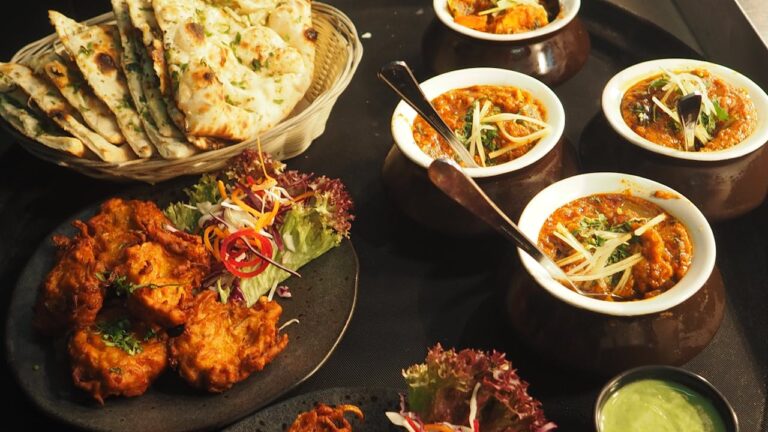
Dairy-Free Alternatives Continue To Dominate Beverage Market Sales

In recent years, the global beverage industry has witnessed a significant transformation as dairy-free alternatives continue to capture more market share. From coffee shops to grocery store shelves, plant-based milk options like almond, oat, soy, coconut, and pea milk are becoming staples for consumers seeking healthier, sustainable, and allergen-friendly choices.

Rising Consumer Demand

Health-conscious buyers, lactose-intolerant individuals, and vegans have been driving demand for dairy-free beverages for years. However, the recent surge in sales is also fueled by mainstream consumers who are looking to diversify their diets and make eco-friendly purchasing decisions. According to industry reports, the dairy alternatives market is projected to grow steadily over the next decade, surpassing traditional milk sales in many regions.

Popular Dairy-Free Options

  • Almond Milk: Still a top-seller, known for its light texture and nutty flavor.
  • Oat Milk: Experiencing explosive growth, especially in coffee chains, due to its creamy consistency and sustainability profile.
  • Soy Milk: A long-standing option high in protein, often used in both beverages and cooking.
  • Coconut Milk: Preferred for its tropical taste and versatility in smoothies and desserts.
  • Pea Milk: A newer entrant gaining traction for its protein content and neutral flavor.

Key Drivers of Growth

  1. Health & Wellness Trends – Consumers associate plant-based beverages with lower cholesterol, fewer calories, and improved digestion.
  2. Environmental Impact – Producing plant-based milk generally requires less water and land compared to dairy farming, appealing to eco-conscious buyers.
  3. Dietary Flexibility – With increasing awareness of lactose intolerance and dairy allergies, more households are stocking dairy-free options.
  4. Innovation & Branding – Brands are investing in unique flavors, fortified blends (with calcium and vitamins), and barista-friendly formulations.

Market Outlook

Experts predict that dairy-free alternatives will continue to dominate beverage sales as innovation expands beyond traditional milk substitutes. Ready-to-drink coffees, protein shakes, and even plant-based creamers are reshaping the way consumers view non-dairy products. The category is no longer niche—it’s mainstream.

Engaging Nonfiction Stories

Dairy-Free Alternatives Continue To Dominate Beverage Market Sales

Discover how dairy-free alternatives like oat milk, almond milk, and soy milk are dominating beverage market sales. Learn about consumer trends, health benefits, and the future of plant-based drinks.

In recent years, the dairy-free beverage market has exploded, reshaping consumer buying habits worldwide. From coffee chains to grocery aisles, plant-based milk alternatives such as almond, oat, soy, coconut, and pea milk are now household staples. With demand driven by health, sustainability, and dietary needs, dairy-free beverages are not just a trend—they’re a new standard.

Rising Consumer Demand

While vegans and those with lactose intolerance have long relied on dairy substitutes, the surge in sales is now largely powered by mainstream consumers. More buyers are choosing dairy-free drinks for wellness, lower cholesterol, and environmental impact. Industry forecasts project the global plant-based milk market to grow steadily, even outpacing traditional dairy sales in some regions.

Popular Dairy-Free Options

  • Almond Milk – The long-time favorite, light and nutty.
  • Oat Milk – The fastest-growing option, loved for its creamy texture and eco-friendly profile.
  • Soy Milk – High in protein, widely used in beverages and recipes.
  • Coconut Milk – Rich flavor, often used in smoothies and desserts.
  • Pea Milk – A protein-packed, neutral-tasting newcomer gaining ground.

Key Drivers of Growth

  1. Health & Wellness Trends – Lower calories, dairy-free digestion, and added vitamins/minerals.
  2. Sustainability – Reduced water usage and carbon footprint compared to dairy farming.
  3. Dietary Flexibility – Catering to allergies, vegan diets, and flexitarian lifestyles.
  4. Product Innovation – New flavors, fortified blends, and barista-approved plant-based milks.

Market Outlook

Dairy-free alternatives are branching out beyond milk into ready-to-drink coffee, protein shakes, creamers, and smoothies. As brands continue to innovate, this sector is set to dominate beverage market sales for the long term.

Final Thoughts

The rise of dairy-free beverages reflects a broader shift in consumer behavior: prioritizing health, sustainability, and choice. With innovation on the rise, the future of the plant-based beverage industry looks stronger than ever.

Global Rice Shortage Expected To Impact Staple Dishes Worldwide

0

In a major leap forward for environmental science, researchers have unveiled a groundbreaking new method that could drastically improve the cleanliness of ocean water. The method, developed by a team of marine biologists and engineers, uses a combination of nanotechnology and advanced filtration systems to remove microplastics, oil residues, and toxic chemicals from seawater — faster and more efficiently than ever before.

The new approach centers around specially engineered nanomaterials that attract and bind with pollutants on a molecular level. These particles are then filtered out through a solar-powered purification system, making it not only effective but also environmentally sustainable.

What sets this method apart is its ability to target microplastics — the most elusive and harmful pollutants threatening marine ecosystems today. Traditional cleanup technologies often miss these tiny fragments, but this new system captures them with over 90% efficiency.

The Changing Landscape of Entertainment

One of the biggest differences between 2007 and 2024 is the way audiences consume content. In 2007, traditional network television was still king, and reality TV provided an easy-to-produce, unscripted alternative to keep viewers engaged. But in 2024, the entertainment landscape has radically shifted. Streaming services, on-demand content, and social media platforms dominate the scene, offering viewers endless choices beyond what’s available on cable or network TV.

Reality TV Fatigue

Another factor contributing to the decline of reality TV in 2024 is simple burnout. The genre has been oversaturated for years, with countless iterations of talent competitions, dating shows, and survival challenges crowding the airwaves. What once felt fresh and exciting has become formulaic and repetitive. New reality concepts struggle to break through the noise, while older shows like The Bachelor and Keeping Up with the Kardashians have either ended or seen viewership dwindle.

The rise of social media influencers and YouTube personalities has also blurred the lines of “reality” entertainment. Platforms like Instagram and TikTok offer users a more personal, unfiltered view into people’s lives—often with more authenticity than heavily produced reality TV. For a generation raised on short-form, user-generated content.

Engaging Nonfiction Stories

The Rise of Competition: Docuseries and High-Quality Productions

Another genre is also encroaching on reality TV’s space—docuseries. With true crime, investigative documentaries, and high-quality, multi-part series taking center stage, viewers are flocking to well-researched, deeply engaging nonfiction stories. These docuseries often provide more substance than reality TV, with compelling narratives that feel more authentic and educational. Streaming platforms are investing heavily in this content, attracting viewers who might have previously tuned into reality TV for an entertaining escape.

Ironically, the ongoing 2024 writers strike may have hurt reality TV more than it helped this time around. While it once provided an opportunity for unscripted content to dominate, today’s strike has caused uncertainty across the entire entertainment industry. Even though reality TV is unscripted, many of these shows rely heavily on behind-the-scenes writing teams for story shaping, post-production edits, and narrative development. With production delays and fewer resources, the quality of reality programming has suffered.

In addition, networks and streaming platforms are less dependent on traditional reality content to fill gaps, thanks to their vast libraries of on-demand content and international shows, which can be quickly dubbed or subtitled.

Reality TV isn’t dead—it’s evolving. While the traditional model is hurting, we may see a new era of innovation within the genre. Producers will need to get more creative, offering new formats, interactive elements, or integrating technology like virtual reality to engage audiences. Shorter, punchier series designed for streaming platforms or new niche reality shows could help revive interest.

Ultimately, reality TV’s struggles in 2024 reflect broader changes in how we consume entertainment. The genre that once thrived during a content drought in 2007 is now facing stiff competition from a wide array of engaging, on-demand alternatives. To survive, reality TV will have to adapt to this new digital-first landscape.

Viewers now expect more curated, higher-quality content than ever before. Streaming giants like Netflix, Amazon Prime, and Disney+ offer highly produced series with cinematic storytelling, making traditional reality TV look cheap by comparison. Furthermore, streaming platforms have dipped into the reality genre themselves, but with more focused, niche offerings like The Circle or Love Is Blind. These shows cater to specific audiences and thrive on the binge-watching format, leaving older reality shows struggling to maintain weekly viewer engagement.

Perhaps one of the biggest shifts impacting reality TV is the rise of social media and influencer culture. Platforms like TikTok, Instagram, and YouTube offer a more authentic and unfiltered look into people’s lives than traditional reality shows. Influencers, with their real-time interactions and behind-the-scenes content, have become the new reality stars. The constant flow of content from influencers feels more personal and less produced, which resonates with today’s audiences.

Reality TV’s original appeal came from offering viewers a peek behind the curtain of real life. But in 2024, social media has democratized this concept. Now, anyone with a smartphone can share their life, making it harder for reality TV shows to maintain the same level of intrigue.

People ignore design that ignores people. Good design is all about making other designers feel like idiots because that idea wasn’t theirs. Design is the conscious effort to impose a meaningful order.

Andrew Bennett

Furthermore, streaming platforms have dipped into the reality genre themselves, but with more focused, niche offerings like The Circle or Love Is Blind. These shows cater to specific audiences and thrive on the binge-watching format, leaving older reality shows struggling to maintain weekly viewer engagement.

Platforms like TikTok, Instagram, and YouTube offer a more authentic and unfiltered look into people’s lives than traditional reality shows. Influencers, with their real-time interactions and behind-the-scenes content, have become the new reality stars. The constant flow of content from influencers feels more personal and less produced, which resonates with today’s audiences.

Reality TV’s original appeal came from offering viewers a peek behind the curtain of real life. But in 2024, social media has democratized this concept. Now, anyone with a smartphone can share their life, making it harder for reality TV shows to maintain the same level of intrigue.

The Impact of the 2024 Writers Strike

Ironically, the ongoing 2024 writers strike may have hurt reality TV more than it helped this time around. While it once provided an opportunity for unscripted content to dominate, today’s strike has caused uncertainty across the entire entertainment industry. Even though reality TV is unscripted, many of these shows rely heavily on behind-the-scenes writing teams for story shaping, post-production edits, and narrative development. With production delays and fewer resources, the quality of reality programming has suffered.

Unlike 2007, when reality TV became a go-to solution for content-hungry networks, today’s television executives have more options. Streaming platforms, vast libraries of pre-existing content, and the ability to pull in international series have reduced the reliance on hastily produced reality shows to fill programming gaps. The 2024 strike has affected reality TV’s ecosystem in ways that weren’t as pronounced during the 2007 strike, leaving the genre exposed.
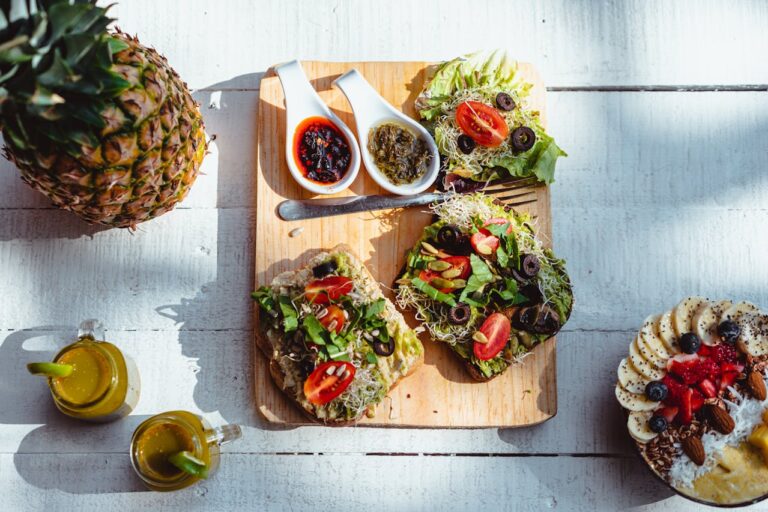
Organic Food Sales Hit Record Numbers Across Major Supermarkets

0

In a major leap forward for environmental science, researchers have unveiled a groundbreaking new method that could drastically improve the cleanliness of ocean water. The method, developed by a team of marine biologists and engineers, uses a combination of nanotechnology and advanced filtration systems to remove microplastics, oil residues, and toxic chemicals from seawater — faster and more efficiently than ever before.

The new approach centers around specially engineered nanomaterials that attract and bind with pollutants on a molecular level. These particles are then filtered out through a solar-powered purification system, making it not only effective but also environmentally sustainable.

What sets this method apart is its ability to target microplastics — the most elusive and harmful pollutants threatening marine ecosystems today. Traditional cleanup technologies often miss these tiny fragments, but this new system captures them with over 90% efficiency.

The Changing Landscape of Entertainment

One of the biggest differences between 2007 and 2024 is the way audiences consume content. In 2007, traditional network television was still king, and reality TV provided an easy-to-produce, unscripted alternative to keep viewers engaged. But in 2024, the entertainment landscape has radically shifted. Streaming services, on-demand content, and social media platforms dominate the scene, offering viewers endless choices beyond what’s available on cable or network TV.

Reality TV Fatigue

Another factor contributing to the decline of reality TV in 2024 is simple burnout. The genre has been oversaturated for years, with countless iterations of talent competitions, dating shows, and survival challenges crowding the airwaves. What once felt fresh and exciting has become formulaic and repetitive. New reality concepts struggle to break through the noise, while older shows like The Bachelor and Keeping Up with the Kardashians have either ended or seen viewership dwindle.

The rise of social media influencers and YouTube personalities has also blurred the lines of “reality” entertainment. Platforms like Instagram and TikTok offer users a more personal, unfiltered view into people’s lives—often with more authenticity than heavily produced reality TV. For a generation raised on short-form, user-generated content.

Engaging Nonfiction Stories

The Rise of Competition: Docuseries and High-Quality Productions

Another genre is also encroaching on reality TV’s space—docuseries. With true crime, investigative documentaries, and high-quality, multi-part series taking center stage, viewers are flocking to well-researched, deeply engaging nonfiction stories. These docuseries often provide more substance than reality TV, with compelling narratives that feel more authentic and educational. Streaming platforms are investing heavily in this content, attracting viewers who might have previously tuned into reality TV for an entertaining escape.

Ironically, the ongoing 2024 writers strike may have hurt reality TV more than it helped this time around. While it once provided an opportunity for unscripted content to dominate, today’s strike has caused uncertainty across the entire entertainment industry. Even though reality TV is unscripted, many of these shows rely heavily on behind-the-scenes writing teams for story shaping, post-production edits, and narrative development. With production delays and fewer resources, the quality of reality programming has suffered.

In addition, networks and streaming platforms are less dependent on traditional reality content to fill gaps, thanks to their vast libraries of on-demand content and international shows, which can be quickly dubbed or subtitled.

Reality TV isn’t dead—it’s evolving. While the traditional model is hurting, we may see a new era of innovation within the genre. Producers will need to get more creative, offering new formats, interactive elements, or integrating technology like virtual reality to engage audiences. Shorter, punchier series designed for streaming platforms or new niche reality shows could help revive interest.

Ultimately, reality TV’s struggles in 2024 reflect broader changes in how we consume entertainment. The genre that once thrived during a content drought in 2007 is now facing stiff competition from a wide array of engaging, on-demand alternatives. To survive, reality TV will have to adapt to this new digital-first landscape.

Viewers now expect more curated, higher-quality content than ever before. Streaming giants like Netflix, Amazon Prime, and Disney+ offer highly produced series with cinematic storytelling, making traditional reality TV look cheap by comparison. Furthermore, streaming platforms have dipped into the reality genre themselves, but with more focused, niche offerings like The Circle or Love Is Blind. These shows cater to specific audiences and thrive on the binge-watching format, leaving older reality shows struggling to maintain weekly viewer engagement.

Perhaps one of the biggest shifts impacting reality TV is the rise of social media and influencer culture. Platforms like TikTok, Instagram, and YouTube offer a more authentic and unfiltered look into people’s lives than traditional reality shows. Influencers, with their real-time interactions and behind-the-scenes content, have become the new reality stars. The constant flow of content from influencers feels more personal and less produced, which resonates with today’s audiences.

Reality TV’s original appeal came from offering viewers a peek behind the curtain of real life. But in 2024, social media has democratized this concept. Now, anyone with a smartphone can share their life, making it harder for reality TV shows to maintain the same level of intrigue.

People ignore design that ignores people. Good design is all about making other designers feel like idiots because that idea wasn’t theirs. Design is the conscious effort to impose a meaningful order.

Andrew Bennett

Furthermore, streaming platforms have dipped into the reality genre themselves, but with more focused, niche offerings like The Circle or Love Is Blind. These shows cater to specific audiences and thrive on the binge-watching format, leaving older reality shows struggling to maintain weekly viewer engagement.

Platforms like TikTok, Instagram, and YouTube offer a more authentic and unfiltered look into people’s lives than traditional reality shows. Influencers, with their real-time interactions and behind-the-scenes content, have become the new reality stars. The constant flow of content from influencers feels more personal and less produced, which resonates with today’s audiences.

Reality TV’s original appeal came from offering viewers a peek behind the curtain of real life. But in 2024, social media has democratized this concept. Now, anyone with a smartphone can share their life, making it harder for reality TV shows to maintain the same level of intrigue.

The Impact of the 2024 Writers Strike

Ironically, the ongoing 2024 writers strike may have hurt reality TV more than it helped this time around. While it once provided an opportunity for unscripted content to dominate, today’s strike has caused uncertainty across the entire entertainment industry. Even though reality TV is unscripted, many of these shows rely heavily on behind-the-scenes writing teams for story shaping, post-production edits, and narrative development. With production delays and fewer resources, the quality of reality programming has suffered.

Unlike 2007, when reality TV became a go-to solution for content-hungry networks, today’s television executives have more options. Streaming platforms, vast libraries of pre-existing content, and the ability to pull in international series have reduced the reliance on hastily produced reality shows to fill programming gaps. The 2024 strike has affected reality TV’s ecosystem in ways that weren’t as pronounced during the 2007 strike, leaving the genre exposed.

Spices From Africa Gain Popularity Among Western Home Cooks

0

In a major leap forward for environmental science, researchers have unveiled a groundbreaking new method that could drastically improve the cleanliness of ocean water. The method, developed by a team of marine biologists and engineers, uses a combination of nanotechnology and advanced filtration systems to remove microplastics, oil residues, and toxic chemicals from seawater — faster and more efficiently than ever before.

The new approach centers around specially engineered nanomaterials that attract and bind with pollutants on a molecular level. These particles are then filtered out through a solar-powered purification system, making it not only effective but also environmentally sustainable.

What sets this method apart is its ability to target microplastics — the most elusive and harmful pollutants threatening marine ecosystems today. Traditional cleanup technologies often miss these tiny fragments, but this new system captures them with over 90% efficiency.

The Changing Landscape of Entertainment

One of the biggest differences between 2007 and 2024 is the way audiences consume content. In 2007, traditional network television was still king, and reality TV provided an easy-to-produce, unscripted alternative to keep viewers engaged. But in 2024, the entertainment landscape has radically shifted. Streaming services, on-demand content, and social media platforms dominate the scene, offering viewers endless choices beyond what’s available on cable or network TV.

Reality TV Fatigue

Another factor contributing to the decline of reality TV in 2024 is simple burnout. The genre has been oversaturated for years, with countless iterations of talent competitions, dating shows, and survival challenges crowding the airwaves. What once felt fresh and exciting has become formulaic and repetitive. New reality concepts struggle to break through the noise, while older shows like The Bachelor and Keeping Up with the Kardashians have either ended or seen viewership dwindle.

The rise of social media influencers and YouTube personalities has also blurred the lines of “reality” entertainment. Platforms like Instagram and TikTok offer users a more personal, unfiltered view into people’s lives—often with more authenticity than heavily produced reality TV. For a generation raised on short-form, user-generated content.

Engaging Nonfiction Stories

The Rise of Competition: Docuseries and High-Quality Productions

Another genre is also encroaching on reality TV’s space—docuseries. With true crime, investigative documentaries, and high-quality, multi-part series taking center stage, viewers are flocking to well-researched, deeply engaging nonfiction stories. These docuseries often provide more substance than reality TV, with compelling narratives that feel more authentic and educational. Streaming platforms are investing heavily in this content, attracting viewers who might have previously tuned into reality TV for an entertaining escape.

Ironically, the ongoing 2024 writers strike may have hurt reality TV more than it helped this time around. While it once provided an opportunity for unscripted content to dominate, today’s strike has caused uncertainty across the entire entertainment industry. Even though reality TV is unscripted, many of these shows rely heavily on behind-the-scenes writing teams for story shaping, post-production edits, and narrative development. With production delays and fewer resources, the quality of reality programming has suffered.

In addition, networks and streaming platforms are less dependent on traditional reality content to fill gaps, thanks to their vast libraries of on-demand content and international shows, which can be quickly dubbed or subtitled.

Reality TV isn’t dead—it’s evolving. While the traditional model is hurting, we may see a new era of innovation within the genre. Producers will need to get more creative, offering new formats, interactive elements, or integrating technology like virtual reality to engage audiences. Shorter, punchier series designed for streaming platforms or new niche reality shows could help revive interest.

Ultimately, reality TV’s struggles in 2024 reflect broader changes in how we consume entertainment. The genre that once thrived during a content drought in 2007 is now facing stiff competition from a wide array of engaging, on-demand alternatives. To survive, reality TV will have to adapt to this new digital-first landscape.

Viewers now expect more curated, higher-quality content than ever before. Streaming giants like Netflix, Amazon Prime, and Disney+ offer highly produced series with cinematic storytelling, making traditional reality TV look cheap by comparison. Furthermore, streaming platforms have dipped into the reality genre themselves, but with more focused, niche offerings like The Circle or Love Is Blind. These shows cater to specific audiences and thrive on the binge-watching format, leaving older reality shows struggling to maintain weekly viewer engagement.

Perhaps one of the biggest shifts impacting reality TV is the rise of social media and influencer culture. Platforms like TikTok, Instagram, and YouTube offer a more authentic and unfiltered look into people’s lives than traditional reality shows. Influencers, with their real-time interactions and behind-the-scenes content, have become the new reality stars. The constant flow of content from influencers feels more personal and less produced, which resonates with today’s audiences.

Reality TV’s original appeal came from offering viewers a peek behind the curtain of real life. But in 2024, social media has democratized this concept. Now, anyone with a smartphone can share their life, making it harder for reality TV shows to maintain the same level of intrigue.

People ignore design that ignores people. Good design is all about making other designers feel like idiots because that idea wasn’t theirs. Design is the conscious effort to impose a meaningful order.

Andrew Bennett

Furthermore, streaming platforms have dipped into the reality genre themselves, but with more focused, niche offerings like The Circle or Love Is Blind. These shows cater to specific audiences and thrive on the binge-watching format, leaving older reality shows struggling to maintain weekly viewer engagement.

Platforms like TikTok, Instagram, and YouTube offer a more authentic and unfiltered look into people’s lives than traditional reality shows. Influencers, with their real-time interactions and behind-the-scenes content, have become the new reality stars. The constant flow of content from influencers feels more personal and less produced, which resonates with today’s audiences.

Reality TV’s original appeal came from offering viewers a peek behind the curtain of real life. But in 2024, social media has democratized this concept. Now, anyone with a smartphone can share their life, making it harder for reality TV shows to maintain the same level of intrigue.

The Impact of the 2024 Writers Strike

Ironically, the ongoing 2024 writers strike may have hurt reality TV more than it helped this time around. While it once provided an opportunity for unscripted content to dominate, today’s strike has caused uncertainty across the entire entertainment industry. Even though reality TV is unscripted, many of these shows rely heavily on behind-the-scenes writing teams for story shaping, post-production edits, and narrative development. With production delays and fewer resources, the quality of reality programming has suffered.

Unlike 2007, when reality TV became a go-to solution for content-hungry networks, today’s television executives have more options. Streaming platforms, vast libraries of pre-existing content, and the ability to pull in international series have reduced the reliance on hastily produced reality shows to fill programming gaps. The 2024 strike has affected reality TV’s ecosystem in ways that weren’t as pronounced during the 2007 strike, leaving the genre exposed.
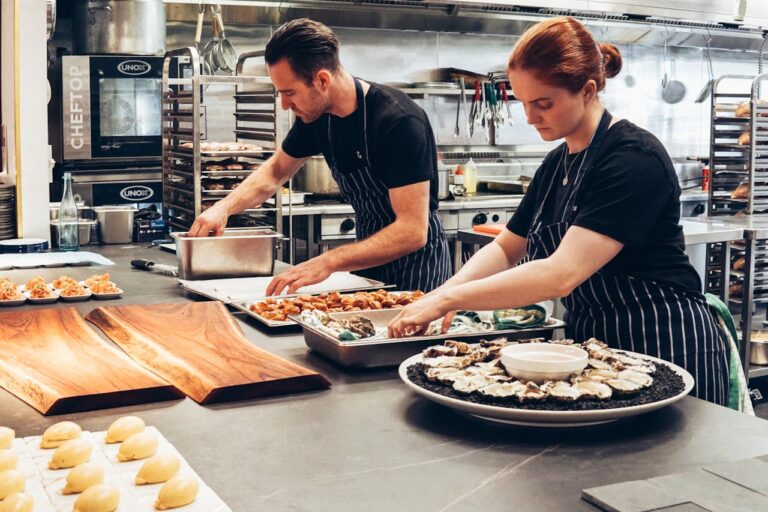
Celebrity Chefs Launch Digital Cooking Classes For Beginners Online

0

In a major leap forward for environmental science, researchers have unveiled a groundbreaking new method that could drastically improve the cleanliness of ocean water. The method, developed by a team of marine biologists and engineers, uses a combination of nanotechnology and advanced filtration systems to remove microplastics, oil residues, and toxic chemicals from seawater — faster and more efficiently than ever before.

The new approach centers around specially engineered nanomaterials that attract and bind with pollutants on a molecular level. These particles are then filtered out through a solar-powered purification system, making it not only effective but also environmentally sustainable.

What sets this method apart is its ability to target microplastics — the most elusive and harmful pollutants threatening marine ecosystems today. Traditional cleanup technologies often miss these tiny fragments, but this new system captures them with over 90% efficiency.

The Changing Landscape of Entertainment

One of the biggest differences between 2007 and 2024 is the way audiences consume content. In 2007, traditional network television was still king, and reality TV provided an easy-to-produce, unscripted alternative to keep viewers engaged. But in 2024, the entertainment landscape has radically shifted. Streaming services, on-demand content, and social media platforms dominate the scene, offering viewers endless choices beyond what’s available on cable or network TV.

Reality TV Fatigue

Another factor contributing to the decline of reality TV in 2024 is simple burnout. The genre has been oversaturated for years, with countless iterations of talent competitions, dating shows, and survival challenges crowding the airwaves. What once felt fresh and exciting has become formulaic and repetitive. New reality concepts struggle to break through the noise, while older shows like The Bachelor and Keeping Up with the Kardashians have either ended or seen viewership dwindle.

The rise of social media influencers and YouTube personalities has also blurred the lines of “reality” entertainment. Platforms like Instagram and TikTok offer users a more personal, unfiltered view into people’s lives—often with more authenticity than heavily produced reality TV. For a generation raised on short-form, user-generated content.

Engaging Nonfiction Stories

The Rise of Competition: Docuseries and High-Quality Productions

Another genre is also encroaching on reality TV’s space—docuseries. With true crime, investigative documentaries, and high-quality, multi-part series taking center stage, viewers are flocking to well-researched, deeply engaging nonfiction stories. These docuseries often provide more substance than reality TV, with compelling narratives that feel more authentic and educational. Streaming platforms are investing heavily in this content, attracting viewers who might have previously tuned into reality TV for an entertaining escape.

Ironically, the ongoing 2024 writers strike may have hurt reality TV more than it helped this time around. While it once provided an opportunity for unscripted content to dominate, today’s strike has caused uncertainty across the entire entertainment industry. Even though reality TV is unscripted, many of these shows rely heavily on behind-the-scenes writing teams for story shaping, post-production edits, and narrative development. With production delays and fewer resources, the quality of reality programming has suffered.

In addition, networks and streaming platforms are less dependent on traditional reality content to fill gaps, thanks to their vast libraries of on-demand content and international shows, which can be quickly dubbed or subtitled.

Reality TV isn’t dead—it’s evolving. While the traditional model is hurting, we may see a new era of innovation within the genre. Producers will need to get more creative, offering new formats, interactive elements, or integrating technology like virtual reality to engage audiences. Shorter, punchier series designed for streaming platforms or new niche reality shows could help revive interest.

Ultimately, reality TV’s struggles in 2024 reflect broader changes in how we consume entertainment. The genre that once thrived during a content drought in 2007 is now facing stiff competition from a wide array of engaging, on-demand alternatives. To survive, reality TV will have to adapt to this new digital-first landscape.

Viewers now expect more curated, higher-quality content than ever before. Streaming giants like Netflix, Amazon Prime, and Disney+ offer highly produced series with cinematic storytelling, making traditional reality TV look cheap by comparison. Furthermore, streaming platforms have dipped into the reality genre themselves, but with more focused, niche offerings like The Circle or Love Is Blind. These shows cater to specific audiences and thrive on the binge-watching format, leaving older reality shows struggling to maintain weekly viewer engagement.

Perhaps one of the biggest shifts impacting reality TV is the rise of social media and influencer culture. Platforms like TikTok, Instagram, and YouTube offer a more authentic and unfiltered look into people’s lives than traditional reality shows. Influencers, with their real-time interactions and behind-the-scenes content, have become the new reality stars. The constant flow of content from influencers feels more personal and less produced, which resonates with today’s audiences.

Reality TV’s original appeal came from offering viewers a peek behind the curtain of real life. But in 2024, social media has democratized this concept. Now, anyone with a smartphone can share their life, making it harder for reality TV shows to maintain the same level of intrigue.

People ignore design that ignores people. Good design is all about making other designers feel like idiots because that idea wasn’t theirs. Design is the conscious effort to impose a meaningful order.

Andrew Bennett

Furthermore, streaming platforms have dipped into the reality genre themselves, but with more focused, niche offerings like The Circle or Love Is Blind. These shows cater to specific audiences and thrive on the binge-watching format, leaving older reality shows struggling to maintain weekly viewer engagement.

Platforms like TikTok, Instagram, and YouTube offer a more authentic and unfiltered look into people’s lives than traditional reality shows. Influencers, with their real-time interactions and behind-the-scenes content, have become the new reality stars. The constant flow of content from influencers feels more personal and less produced, which resonates with today’s audiences.

Reality TV’s original appeal came from offering viewers a peek behind the curtain of real life. But in 2024, social media has democratized this concept. Now, anyone with a smartphone can share their life, making it harder for reality TV shows to maintain the same level of intrigue.

The Impact of the 2024 Writers Strike

Ironically, the ongoing 2024 writers strike may have hurt reality TV more than it helped this time around. While it once provided an opportunity for unscripted content to dominate, today’s strike has caused uncertainty across the entire entertainment industry. Even though reality TV is unscripted, many of these shows rely heavily on behind-the-scenes writing teams for story shaping, post-production edits, and narrative development. With production delays and fewer resources, the quality of reality programming has suffered.

Unlike 2007, when reality TV became a go-to solution for content-hungry networks, today’s television executives have more options. Streaming platforms, vast libraries of pre-existing content, and the ability to pull in international series have reduced the reliance on hastily produced reality shows to fill programming gaps. The 2024 strike has affected reality TV’s ecosystem in ways that weren’t as pronounced during the 2007 strike, leaving the genre exposed.