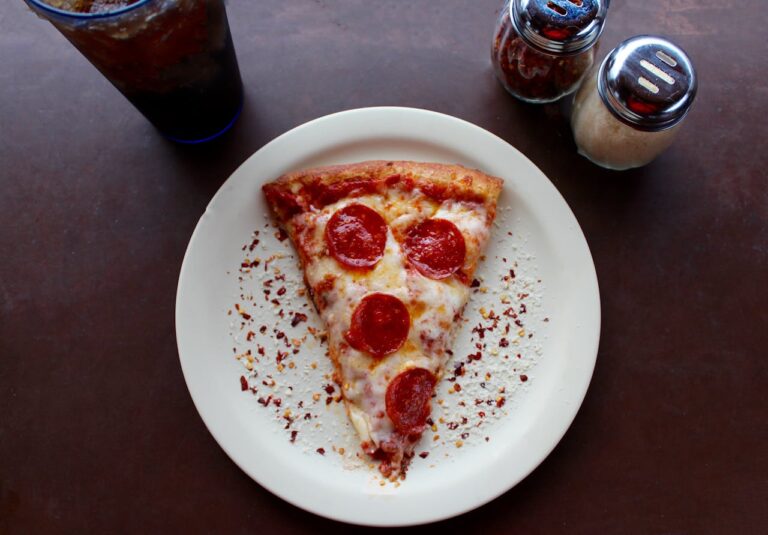
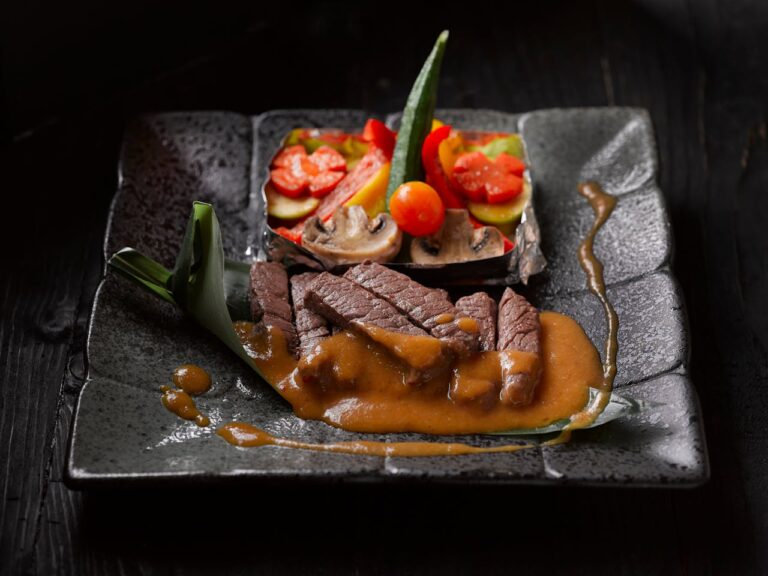
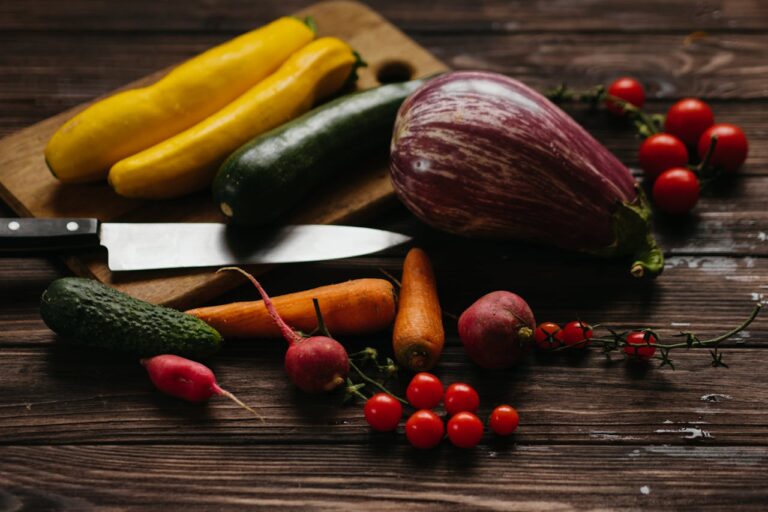
For years, canned food has been seen as a convenient, budget-friendly option rather than a culinary delight. But in today’s evolving food scene, canned goods are no longer limited to plain soups and vegetables. Thanks to chef-approved innovations and gourmet flavor profiles, canned food is transforming into a true gourmet experience that balances convenience with quality.
The Gourmet Canned Food Revolution
Gone are the days when canned food was just a pantry backup. With the rise of global flavors, health-conscious ingredients, and artisan-inspired recipes, many food companies are elevating their canned products to meet the demands of modern consumers. From organic stews to exotic seafood and spice-infused beans, canned goods are becoming staples in gourmet kitchens.
Why Chefs Are Embracing Canned Foods
Professional chefs and home cooks alike are embracing the new wave of canned food for several reasons:
Consistency: High-quality canned goods offer the same flavor and texture every time, eliminating seasonal limitations.
Convenience: Ready-to-use ingredients save prep time without compromising taste.
Sustainability: Many gourmet canned foods focus on eco-friendly sourcing and minimal waste packaging.
Flavor Innovation: Chefs now find premium canned foods infused with herbs, spices, and even wine reductions that rival homemade.
Flavor Innovations You Can Find in Canned Goods Today
Global Spice Infusions – Chili-lime beans, curry-inspired soups, and Mediterranean-style vegetables.
Premium Seafood – Sustainably caught tuna, mackerel, and sardines packed in olive oil with fresh herbs.
Organic & Plant-Based Options – Vegan stews, lentil curries, and protein-rich legumes with chef-inspired seasoning.
Wine & Broth Enhancements – Ready-to-serve sauces and soups enhanced with slow-simmered stocks or wine reductions.
Dessert-Inspired Creations – Gourmet canned fruits in syrup infused with cinnamon, vanilla, or even bourbon.
How to Use Gourmet Canned Foods in Your Kitchen
Elevate pasta dishes with canned artichokes, sun-dried tomatoes, or seafood.
Create quick tapas using canned mussels, olives, and spiced beans.
Boost salads and grain bowls with canned chickpeas or roasted peppers.
Craft easy desserts with canned pears or peaches drizzled with whipped cream or caramel.
The Future of Canned Gourmet
With consumer demand for quality and convenience at an all-time high, the future of canned food looks flavorful and innovative. Expect to see more collaborations between chefs and food companies, bringing Michelin-level flavors straight to your pantry.
In a major leap forward for environmental science, researchers have unveiled a groundbreaking new method that could drastically improve the cleanliness of ocean water. The method, developed by a team of marine biologists and engineers, uses a combination of nanotechnology and advanced filtration systems to remove microplastics, oil residues, and toxic chemicals from seawater — faster and more efficiently than ever before.
The new approach centers around specially engineered nanomaterials that attract and bind with pollutants on a molecular level. These particles are then filtered out through a solar-powered purification system, making it not only effective but also environmentally sustainable.
What sets this method apart is its ability to target microplastics — the most elusive and harmful pollutants threatening marine ecosystems today. Traditional cleanup technologies often miss these tiny fragments, but this new system captures them with over 90% efficiency.
The Changing Landscape of Entertainment
One of the biggest differences between 2007 and 2024 is the way audiences consume content. In 2007, traditional network television was still king, and reality TV provided an easy-to-produce, unscripted alternative to keep viewers engaged. But in 2024, the entertainment landscape has radically shifted. Streaming services, on-demand content, and social media platforms dominate the scene, offering viewers endless choices beyond what’s available on cable or network TV.
Reality TV Fatigue
Another factor contributing to the decline of reality TV in 2024 is simple burnout. The genre has been oversaturated for years, with countless iterations of talent competitions, dating shows, and survival challenges crowding the airwaves. What once felt fresh and exciting has become formulaic and repetitive. New reality concepts struggle to break through the noise, while older shows like The Bachelor and Keeping Up with the Kardashians have either ended or seen viewership dwindle.
The rise of social media influencers and YouTube personalities has also blurred the lines of “reality” entertainment. Platforms like Instagram and TikTok offer users a more personal, unfiltered view into people’s lives—often with more authenticity than heavily produced reality TV. For a generation raised on short-form, user-generated content.
Engaging Nonfiction Stories
The Rise of Competition: Docuseries and High-Quality Productions
Another genre is also encroaching on reality TV’s space—docuseries. With true crime, investigative documentaries, and high-quality, multi-part series taking center stage, viewers are flocking to well-researched, deeply engaging nonfiction stories. These docuseries often provide more substance than reality TV, with compelling narratives that feel more authentic and educational. Streaming platforms are investing heavily in this content, attracting viewers who might have previously tuned into reality TV for an entertaining escape.
Ironically, the ongoing 2024 writers strike may have hurt reality TV more than it helped this time around. While it once provided an opportunity for unscripted content to dominate, today’s strike has caused uncertainty across the entire entertainment industry. Even though reality TV is unscripted, many of these shows rely heavily on behind-the-scenes writing teams for story shaping, post-production edits, and narrative development. With production delays and fewer resources, the quality of reality programming has suffered.
In addition, networks and streaming platforms are less dependent on traditional reality content to fill gaps, thanks to their vast libraries of on-demand content and international shows, which can be quickly dubbed or subtitled.
Reality TV isn’t dead—it’s evolving. While the traditional model is hurting, we may see a new era of innovation within the genre. Producers will need to get more creative, offering new formats, interactive elements, or integrating technology like virtual reality to engage audiences. Shorter, punchier series designed for streaming platforms or new niche reality shows could help revive interest.
Ultimately, reality TV’s struggles in 2024 reflect broader changes in how we consume entertainment. The genre that once thrived during a content drought in 2007 is now facing stiff competition from a wide array of engaging, on-demand alternatives. To survive, reality TV will have to adapt to this new digital-first landscape.
Viewers now expect more curated, higher-quality content than ever before. Streaming giants like Netflix, Amazon Prime, and Disney+ offer highly produced series with cinematic storytelling, making traditional reality TV look cheap by comparison. Furthermore, streaming platforms have dipped into the reality genre themselves, but with more focused, niche offerings like The Circle or Love Is Blind. These shows cater to specific audiences and thrive on the binge-watching format, leaving older reality shows struggling to maintain weekly viewer engagement.
Perhaps one of the biggest shifts impacting reality TV is the rise of social media and influencer culture. Platforms like TikTok, Instagram, and YouTube offer a more authentic and unfiltered look into people’s lives than traditional reality shows. Influencers, with their real-time interactions and behind-the-scenes content, have become the new reality stars. The constant flow of content from influencers feels more personal and less produced, which resonates with today’s audiences.
Reality TV’s original appeal came from offering viewers a peek behind the curtain of real life. But in 2024, social media has democratized this concept. Now, anyone with a smartphone can share their life, making it harder for reality TV shows to maintain the same level of intrigue.
People ignore design that ignores people. Good design is all about making other designers feel like idiots because that idea wasn’t theirs. Design is the conscious effort to impose a meaningful order.
Andrew Bennett
Furthermore, streaming platforms have dipped into the reality genre themselves, but with more focused, niche offerings like The Circle or Love Is Blind. These shows cater to specific audiences and thrive on the binge-watching format, leaving older reality shows struggling to maintain weekly viewer engagement.
Platforms like TikTok, Instagram, and YouTube offer a more authentic and unfiltered look into people’s lives than traditional reality shows. Influencers, with their real-time interactions and behind-the-scenes content, have become the new reality stars. The constant flow of content from influencers feels more personal and less produced, which resonates with today’s audiences.
Reality TV’s original appeal came from offering viewers a peek behind the curtain of real life. But in 2024, social media has democratized this concept. Now, anyone with a smartphone can share their life, making it harder for reality TV shows to maintain the same level of intrigue.
The Impact of the 2024 Writers Strike
Ironically, the ongoing 2024 writers strike may have hurt reality TV more than it helped this time around. While it once provided an opportunity for unscripted content to dominate, today’s strike has caused uncertainty across the entire entertainment industry. Even though reality TV is unscripted, many of these shows rely heavily on behind-the-scenes writing teams for story shaping, post-production edits, and narrative development. With production delays and fewer resources, the quality of reality programming has suffered.
Unlike 2007, when reality TV became a go-to solution for content-hungry networks, today’s television executives have more options. Streaming platforms, vast libraries of pre-existing content, and the ability to pull in international series have reduced the reliance on hastily produced reality shows to fill programming gaps. The 2024 strike has affected reality TV’s ecosystem in ways that weren’t as pronounced during the 2007 strike, leaving the genre exposed.
In a major leap forward for environmental science, researchers have unveiled a groundbreaking new method that could drastically improve the cleanliness of ocean water. The method, developed by a team of marine biologists and engineers, uses a combination of nanotechnology and advanced filtration systems to remove microplastics, oil residues, and toxic chemicals from seawater — faster and more efficiently than ever before.
The new approach centers around specially engineered nanomaterials that attract and bind with pollutants on a molecular level. These particles are then filtered out through a solar-powered purification system, making it not only effective but also environmentally sustainable.
What sets this method apart is its ability to target microplastics — the most elusive and harmful pollutants threatening marine ecosystems today. Traditional cleanup technologies often miss these tiny fragments, but this new system captures them with over 90% efficiency.
The Changing Landscape of Entertainment
One of the biggest differences between 2007 and 2024 is the way audiences consume content. In 2007, traditional network television was still king, and reality TV provided an easy-to-produce, unscripted alternative to keep viewers engaged. But in 2024, the entertainment landscape has radically shifted. Streaming services, on-demand content, and social media platforms dominate the scene, offering viewers endless choices beyond what’s available on cable or network TV.
Reality TV Fatigue
Another factor contributing to the decline of reality TV in 2024 is simple burnout. The genre has been oversaturated for years, with countless iterations of talent competitions, dating shows, and survival challenges crowding the airwaves. What once felt fresh and exciting has become formulaic and repetitive. New reality concepts struggle to break through the noise, while older shows like The Bachelor and Keeping Up with the Kardashians have either ended or seen viewership dwindle.
The rise of social media influencers and YouTube personalities has also blurred the lines of “reality” entertainment. Platforms like Instagram and TikTok offer users a more personal, unfiltered view into people’s lives—often with more authenticity than heavily produced reality TV. For a generation raised on short-form, user-generated content.
Engaging Nonfiction Stories
The Rise of Competition: Docuseries and High-Quality Productions
Another genre is also encroaching on reality TV’s space—docuseries. With true crime, investigative documentaries, and high-quality, multi-part series taking center stage, viewers are flocking to well-researched, deeply engaging nonfiction stories. These docuseries often provide more substance than reality TV, with compelling narratives that feel more authentic and educational. Streaming platforms are investing heavily in this content, attracting viewers who might have previously tuned into reality TV for an entertaining escape.
Ironically, the ongoing 2024 writers strike may have hurt reality TV more than it helped this time around. While it once provided an opportunity for unscripted content to dominate, today’s strike has caused uncertainty across the entire entertainment industry. Even though reality TV is unscripted, many of these shows rely heavily on behind-the-scenes writing teams for story shaping, post-production edits, and narrative development. With production delays and fewer resources, the quality of reality programming has suffered.
In addition, networks and streaming platforms are less dependent on traditional reality content to fill gaps, thanks to their vast libraries of on-demand content and international shows, which can be quickly dubbed or subtitled.
Reality TV isn’t dead—it’s evolving. While the traditional model is hurting, we may see a new era of innovation within the genre. Producers will need to get more creative, offering new formats, interactive elements, or integrating technology like virtual reality to engage audiences. Shorter, punchier series designed for streaming platforms or new niche reality shows could help revive interest.
Ultimately, reality TV’s struggles in 2024 reflect broader changes in how we consume entertainment. The genre that once thrived during a content drought in 2007 is now facing stiff competition from a wide array of engaging, on-demand alternatives. To survive, reality TV will have to adapt to this new digital-first landscape.
Viewers now expect more curated, higher-quality content than ever before. Streaming giants like Netflix, Amazon Prime, and Disney+ offer highly produced series with cinematic storytelling, making traditional reality TV look cheap by comparison. Furthermore, streaming platforms have dipped into the reality genre themselves, but with more focused, niche offerings like The Circle or Love Is Blind. These shows cater to specific audiences and thrive on the binge-watching format, leaving older reality shows struggling to maintain weekly viewer engagement.
Perhaps one of the biggest shifts impacting reality TV is the rise of social media and influencer culture. Platforms like TikTok, Instagram, and YouTube offer a more authentic and unfiltered look into people’s lives than traditional reality shows. Influencers, with their real-time interactions and behind-the-scenes content, have become the new reality stars. The constant flow of content from influencers feels more personal and less produced, which resonates with today’s audiences.
Reality TV’s original appeal came from offering viewers a peek behind the curtain of real life. But in 2024, social media has democratized this concept. Now, anyone with a smartphone can share their life, making it harder for reality TV shows to maintain the same level of intrigue.
People ignore design that ignores people. Good design is all about making other designers feel like idiots because that idea wasn’t theirs. Design is the conscious effort to impose a meaningful order.
Andrew Bennett
Furthermore, streaming platforms have dipped into the reality genre themselves, but with more focused, niche offerings like The Circle or Love Is Blind. These shows cater to specific audiences and thrive on the binge-watching format, leaving older reality shows struggling to maintain weekly viewer engagement.
Platforms like TikTok, Instagram, and YouTube offer a more authentic and unfiltered look into people’s lives than traditional reality shows. Influencers, with their real-time interactions and behind-the-scenes content, have become the new reality stars. The constant flow of content from influencers feels more personal and less produced, which resonates with today’s audiences.
Reality TV’s original appeal came from offering viewers a peek behind the curtain of real life. But in 2024, social media has democratized this concept. Now, anyone with a smartphone can share their life, making it harder for reality TV shows to maintain the same level of intrigue.
The Impact of the 2024 Writers Strike
Ironically, the ongoing 2024 writers strike may have hurt reality TV more than it helped this time around. While it once provided an opportunity for unscripted content to dominate, today’s strike has caused uncertainty across the entire entertainment industry. Even though reality TV is unscripted, many of these shows rely heavily on behind-the-scenes writing teams for story shaping, post-production edits, and narrative development. With production delays and fewer resources, the quality of reality programming has suffered.
Unlike 2007, when reality TV became a go-to solution for content-hungry networks, today’s television executives have more options. Streaming platforms, vast libraries of pre-existing content, and the ability to pull in international series have reduced the reliance on hastily produced reality shows to fill programming gaps. The 2024 strike has affected reality TV’s ecosystem in ways that weren’t as pronounced during the 2007 strike, leaving the genre exposed.
In a major leap forward for environmental science, researchers have unveiled a groundbreaking new method that could drastically improve the cleanliness of ocean water. The method, developed by a team of marine biologists and engineers, uses a combination of nanotechnology and advanced filtration systems to remove microplastics, oil residues, and toxic chemicals from seawater — faster and more efficiently than ever before.
The new approach centers around specially engineered nanomaterials that attract and bind with pollutants on a molecular level. These particles are then filtered out through a solar-powered purification system, making it not only effective but also environmentally sustainable.
What sets this method apart is its ability to target microplastics — the most elusive and harmful pollutants threatening marine ecosystems today. Traditional cleanup technologies often miss these tiny fragments, but this new system captures them with over 90% efficiency.
The Changing Landscape of Entertainment
One of the biggest differences between 2007 and 2024 is the way audiences consume content. In 2007, traditional network television was still king, and reality TV provided an easy-to-produce, unscripted alternative to keep viewers engaged. But in 2024, the entertainment landscape has radically shifted. Streaming services, on-demand content, and social media platforms dominate the scene, offering viewers endless choices beyond what’s available on cable or network TV.
Reality TV Fatigue
Another factor contributing to the decline of reality TV in 2024 is simple burnout. The genre has been oversaturated for years, with countless iterations of talent competitions, dating shows, and survival challenges crowding the airwaves. What once felt fresh and exciting has become formulaic and repetitive. New reality concepts struggle to break through the noise, while older shows like The Bachelor and Keeping Up with the Kardashians have either ended or seen viewership dwindle.
The rise of social media influencers and YouTube personalities has also blurred the lines of “reality” entertainment. Platforms like Instagram and TikTok offer users a more personal, unfiltered view into people’s lives—often with more authenticity than heavily produced reality TV. For a generation raised on short-form, user-generated content.
Engaging Nonfiction Stories
The Rise of Competition: Docuseries and High-Quality Productions
Another genre is also encroaching on reality TV’s space—docuseries. With true crime, investigative documentaries, and high-quality, multi-part series taking center stage, viewers are flocking to well-researched, deeply engaging nonfiction stories. These docuseries often provide more substance than reality TV, with compelling narratives that feel more authentic and educational. Streaming platforms are investing heavily in this content, attracting viewers who might have previously tuned into reality TV for an entertaining escape.
Ironically, the ongoing 2024 writers strike may have hurt reality TV more than it helped this time around. While it once provided an opportunity for unscripted content to dominate, today’s strike has caused uncertainty across the entire entertainment industry. Even though reality TV is unscripted, many of these shows rely heavily on behind-the-scenes writing teams for story shaping, post-production edits, and narrative development. With production delays and fewer resources, the quality of reality programming has suffered.
In addition, networks and streaming platforms are less dependent on traditional reality content to fill gaps, thanks to their vast libraries of on-demand content and international shows, which can be quickly dubbed or subtitled.
Reality TV isn’t dead—it’s evolving. While the traditional model is hurting, we may see a new era of innovation within the genre. Producers will need to get more creative, offering new formats, interactive elements, or integrating technology like virtual reality to engage audiences. Shorter, punchier series designed for streaming platforms or new niche reality shows could help revive interest.
Ultimately, reality TV’s struggles in 2024 reflect broader changes in how we consume entertainment. The genre that once thrived during a content drought in 2007 is now facing stiff competition from a wide array of engaging, on-demand alternatives. To survive, reality TV will have to adapt to this new digital-first landscape.
Viewers now expect more curated, higher-quality content than ever before. Streaming giants like Netflix, Amazon Prime, and Disney+ offer highly produced series with cinematic storytelling, making traditional reality TV look cheap by comparison. Furthermore, streaming platforms have dipped into the reality genre themselves, but with more focused, niche offerings like The Circle or Love Is Blind. These shows cater to specific audiences and thrive on the binge-watching format, leaving older reality shows struggling to maintain weekly viewer engagement.
Perhaps one of the biggest shifts impacting reality TV is the rise of social media and influencer culture. Platforms like TikTok, Instagram, and YouTube offer a more authentic and unfiltered look into people’s lives than traditional reality shows. Influencers, with their real-time interactions and behind-the-scenes content, have become the new reality stars. The constant flow of content from influencers feels more personal and less produced, which resonates with today’s audiences.
Reality TV’s original appeal came from offering viewers a peek behind the curtain of real life. But in 2024, social media has democratized this concept. Now, anyone with a smartphone can share their life, making it harder for reality TV shows to maintain the same level of intrigue.
People ignore design that ignores people. Good design is all about making other designers feel like idiots because that idea wasn’t theirs. Design is the conscious effort to impose a meaningful order.
Andrew Bennett
Furthermore, streaming platforms have dipped into the reality genre themselves, but with more focused, niche offerings like The Circle or Love Is Blind. These shows cater to specific audiences and thrive on the binge-watching format, leaving older reality shows struggling to maintain weekly viewer engagement.
Platforms like TikTok, Instagram, and YouTube offer a more authentic and unfiltered look into people’s lives than traditional reality shows. Influencers, with their real-time interactions and behind-the-scenes content, have become the new reality stars. The constant flow of content from influencers feels more personal and less produced, which resonates with today’s audiences.
Reality TV’s original appeal came from offering viewers a peek behind the curtain of real life. But in 2024, social media has democratized this concept. Now, anyone with a smartphone can share their life, making it harder for reality TV shows to maintain the same level of intrigue.
The Impact of the 2024 Writers Strike
Ironically, the ongoing 2024 writers strike may have hurt reality TV more than it helped this time around. While it once provided an opportunity for unscripted content to dominate, today’s strike has caused uncertainty across the entire entertainment industry. Even though reality TV is unscripted, many of these shows rely heavily on behind-the-scenes writing teams for story shaping, post-production edits, and narrative development. With production delays and fewer resources, the quality of reality programming has suffered.
Unlike 2007, when reality TV became a go-to solution for content-hungry networks, today’s television executives have more options. Streaming platforms, vast libraries of pre-existing content, and the ability to pull in international series have reduced the reliance on hastily produced reality shows to fill programming gaps. The 2024 strike has affected reality TV’s ecosystem in ways that weren’t as pronounced during the 2007 strike, leaving the genre exposed.
In a major leap forward for environmental science, researchers have unveiled a groundbreaking new method that could drastically improve the cleanliness of ocean water. The method, developed by a team of marine biologists and engineers, uses a combination of nanotechnology and advanced filtration systems to remove microplastics, oil residues, and toxic chemicals from seawater — faster and more efficiently than ever before.
The new approach centers around specially engineered nanomaterials that attract and bind with pollutants on a molecular level. These particles are then filtered out through a solar-powered purification system, making it not only effective but also environmentally sustainable.
What sets this method apart is its ability to target microplastics — the most elusive and harmful pollutants threatening marine ecosystems today. Traditional cleanup technologies often miss these tiny fragments, but this new system captures them with over 90% efficiency.
The Changing Landscape of Entertainment
One of the biggest differences between 2007 and 2024 is the way audiences consume content. In 2007, traditional network television was still king, and reality TV provided an easy-to-produce, unscripted alternative to keep viewers engaged. But in 2024, the entertainment landscape has radically shifted. Streaming services, on-demand content, and social media platforms dominate the scene, offering viewers endless choices beyond what’s available on cable or network TV.
Reality TV Fatigue
Another factor contributing to the decline of reality TV in 2024 is simple burnout. The genre has been oversaturated for years, with countless iterations of talent competitions, dating shows, and survival challenges crowding the airwaves. What once felt fresh and exciting has become formulaic and repetitive. New reality concepts struggle to break through the noise, while older shows like The Bachelor and Keeping Up with the Kardashians have either ended or seen viewership dwindle.
The rise of social media influencers and YouTube personalities has also blurred the lines of “reality” entertainment. Platforms like Instagram and TikTok offer users a more personal, unfiltered view into people’s lives—often with more authenticity than heavily produced reality TV. For a generation raised on short-form, user-generated content.
Engaging Nonfiction Stories
The Rise of Competition: Docuseries and High-Quality Productions
Another genre is also encroaching on reality TV’s space—docuseries. With true crime, investigative documentaries, and high-quality, multi-part series taking center stage, viewers are flocking to well-researched, deeply engaging nonfiction stories. These docuseries often provide more substance than reality TV, with compelling narratives that feel more authentic and educational. Streaming platforms are investing heavily in this content, attracting viewers who might have previously tuned into reality TV for an entertaining escape.
Ironically, the ongoing 2024 writers strike may have hurt reality TV more than it helped this time around. While it once provided an opportunity for unscripted content to dominate, today’s strike has caused uncertainty across the entire entertainment industry. Even though reality TV is unscripted, many of these shows rely heavily on behind-the-scenes writing teams for story shaping, post-production edits, and narrative development. With production delays and fewer resources, the quality of reality programming has suffered.
In addition, networks and streaming platforms are less dependent on traditional reality content to fill gaps, thanks to their vast libraries of on-demand content and international shows, which can be quickly dubbed or subtitled.
Reality TV isn’t dead—it’s evolving. While the traditional model is hurting, we may see a new era of innovation within the genre. Producers will need to get more creative, offering new formats, interactive elements, or integrating technology like virtual reality to engage audiences. Shorter, punchier series designed for streaming platforms or new niche reality shows could help revive interest.
Ultimately, reality TV’s struggles in 2024 reflect broader changes in how we consume entertainment. The genre that once thrived during a content drought in 2007 is now facing stiff competition from a wide array of engaging, on-demand alternatives. To survive, reality TV will have to adapt to this new digital-first landscape.
Viewers now expect more curated, higher-quality content than ever before. Streaming giants like Netflix, Amazon Prime, and Disney+ offer highly produced series with cinematic storytelling, making traditional reality TV look cheap by comparison. Furthermore, streaming platforms have dipped into the reality genre themselves, but with more focused, niche offerings like The Circle or Love Is Blind. These shows cater to specific audiences and thrive on the binge-watching format, leaving older reality shows struggling to maintain weekly viewer engagement.
Perhaps one of the biggest shifts impacting reality TV is the rise of social media and influencer culture. Platforms like TikTok, Instagram, and YouTube offer a more authentic and unfiltered look into people’s lives than traditional reality shows. Influencers, with their real-time interactions and behind-the-scenes content, have become the new reality stars. The constant flow of content from influencers feels more personal and less produced, which resonates with today’s audiences.
Reality TV’s original appeal came from offering viewers a peek behind the curtain of real life. But in 2024, social media has democratized this concept. Now, anyone with a smartphone can share their life, making it harder for reality TV shows to maintain the same level of intrigue.
People ignore design that ignores people. Good design is all about making other designers feel like idiots because that idea wasn’t theirs. Design is the conscious effort to impose a meaningful order.
Andrew Bennett
Furthermore, streaming platforms have dipped into the reality genre themselves, but with more focused, niche offerings like The Circle or Love Is Blind. These shows cater to specific audiences and thrive on the binge-watching format, leaving older reality shows struggling to maintain weekly viewer engagement.
Platforms like TikTok, Instagram, and YouTube offer a more authentic and unfiltered look into people’s lives than traditional reality shows. Influencers, with their real-time interactions and behind-the-scenes content, have become the new reality stars. The constant flow of content from influencers feels more personal and less produced, which resonates with today’s audiences.
Reality TV’s original appeal came from offering viewers a peek behind the curtain of real life. But in 2024, social media has democratized this concept. Now, anyone with a smartphone can share their life, making it harder for reality TV shows to maintain the same level of intrigue.
The Impact of the 2024 Writers Strike
Ironically, the ongoing 2024 writers strike may have hurt reality TV more than it helped this time around. While it once provided an opportunity for unscripted content to dominate, today’s strike has caused uncertainty across the entire entertainment industry. Even though reality TV is unscripted, many of these shows rely heavily on behind-the-scenes writing teams for story shaping, post-production edits, and narrative development. With production delays and fewer resources, the quality of reality programming has suffered.
Unlike 2007, when reality TV became a go-to solution for content-hungry networks, today’s television executives have more options. Streaming platforms, vast libraries of pre-existing content, and the ability to pull in international series have reduced the reliance on hastily produced reality shows to fill programming gaps. The 2024 strike has affected reality TV’s ecosystem in ways that weren’t as pronounced during the 2007 strike, leaving the genre exposed.
In a major leap forward for environmental science, researchers have unveiled a groundbreaking new method that could drastically improve the cleanliness of ocean water. The method, developed by a team of marine biologists and engineers, uses a combination of nanotechnology and advanced filtration systems to remove microplastics, oil residues, and toxic chemicals from seawater — faster and more efficiently than ever before.
The new approach centers around specially engineered nanomaterials that attract and bind with pollutants on a molecular level. These particles are then filtered out through a solar-powered purification system, making it not only effective but also environmentally sustainable.
What sets this method apart is its ability to target microplastics — the most elusive and harmful pollutants threatening marine ecosystems today. Traditional cleanup technologies often miss these tiny fragments, but this new system captures them with over 90% efficiency.
The Changing Landscape of Entertainment
One of the biggest differences between 2007 and 2024 is the way audiences consume content. In 2007, traditional network television was still king, and reality TV provided an easy-to-produce, unscripted alternative to keep viewers engaged. But in 2024, the entertainment landscape has radically shifted. Streaming services, on-demand content, and social media platforms dominate the scene, offering viewers endless choices beyond what’s available on cable or network TV.
Reality TV Fatigue
Another factor contributing to the decline of reality TV in 2024 is simple burnout. The genre has been oversaturated for years, with countless iterations of talent competitions, dating shows, and survival challenges crowding the airwaves. What once felt fresh and exciting has become formulaic and repetitive. New reality concepts struggle to break through the noise, while older shows like The Bachelor and Keeping Up with the Kardashians have either ended or seen viewership dwindle.
The rise of social media influencers and YouTube personalities has also blurred the lines of “reality” entertainment. Platforms like Instagram and TikTok offer users a more personal, unfiltered view into people’s lives—often with more authenticity than heavily produced reality TV. For a generation raised on short-form, user-generated content.
Engaging Nonfiction Stories
The Rise of Competition: Docuseries and High-Quality Productions
Another genre is also encroaching on reality TV’s space—docuseries. With true crime, investigative documentaries, and high-quality, multi-part series taking center stage, viewers are flocking to well-researched, deeply engaging nonfiction stories. These docuseries often provide more substance than reality TV, with compelling narratives that feel more authentic and educational. Streaming platforms are investing heavily in this content, attracting viewers who might have previously tuned into reality TV for an entertaining escape.
Ironically, the ongoing 2024 writers strike may have hurt reality TV more than it helped this time around. While it once provided an opportunity for unscripted content to dominate, today’s strike has caused uncertainty across the entire entertainment industry. Even though reality TV is unscripted, many of these shows rely heavily on behind-the-scenes writing teams for story shaping, post-production edits, and narrative development. With production delays and fewer resources, the quality of reality programming has suffered.
In addition, networks and streaming platforms are less dependent on traditional reality content to fill gaps, thanks to their vast libraries of on-demand content and international shows, which can be quickly dubbed or subtitled.
Reality TV isn’t dead—it’s evolving. While the traditional model is hurting, we may see a new era of innovation within the genre. Producers will need to get more creative, offering new formats, interactive elements, or integrating technology like virtual reality to engage audiences. Shorter, punchier series designed for streaming platforms or new niche reality shows could help revive interest.
Ultimately, reality TV’s struggles in 2024 reflect broader changes in how we consume entertainment. The genre that once thrived during a content drought in 2007 is now facing stiff competition from a wide array of engaging, on-demand alternatives. To survive, reality TV will have to adapt to this new digital-first landscape.
Viewers now expect more curated, higher-quality content than ever before. Streaming giants like Netflix, Amazon Prime, and Disney+ offer highly produced series with cinematic storytelling, making traditional reality TV look cheap by comparison. Furthermore, streaming platforms have dipped into the reality genre themselves, but with more focused, niche offerings like The Circle or Love Is Blind. These shows cater to specific audiences and thrive on the binge-watching format, leaving older reality shows struggling to maintain weekly viewer engagement.
Perhaps one of the biggest shifts impacting reality TV is the rise of social media and influencer culture. Platforms like TikTok, Instagram, and YouTube offer a more authentic and unfiltered look into people’s lives than traditional reality shows. Influencers, with their real-time interactions and behind-the-scenes content, have become the new reality stars. The constant flow of content from influencers feels more personal and less produced, which resonates with today’s audiences.
Reality TV’s original appeal came from offering viewers a peek behind the curtain of real life. But in 2024, social media has democratized this concept. Now, anyone with a smartphone can share their life, making it harder for reality TV shows to maintain the same level of intrigue.
People ignore design that ignores people. Good design is all about making other designers feel like idiots because that idea wasn’t theirs. Design is the conscious effort to impose a meaningful order.
Andrew Bennett
Furthermore, streaming platforms have dipped into the reality genre themselves, but with more focused, niche offerings like The Circle or Love Is Blind. These shows cater to specific audiences and thrive on the binge-watching format, leaving older reality shows struggling to maintain weekly viewer engagement.
Platforms like TikTok, Instagram, and YouTube offer a more authentic and unfiltered look into people’s lives than traditional reality shows. Influencers, with their real-time interactions and behind-the-scenes content, have become the new reality stars. The constant flow of content from influencers feels more personal and less produced, which resonates with today’s audiences.
Reality TV’s original appeal came from offering viewers a peek behind the curtain of real life. But in 2024, social media has democratized this concept. Now, anyone with a smartphone can share their life, making it harder for reality TV shows to maintain the same level of intrigue.
The Impact of the 2024 Writers Strike
Ironically, the ongoing 2024 writers strike may have hurt reality TV more than it helped this time around. While it once provided an opportunity for unscripted content to dominate, today’s strike has caused uncertainty across the entire entertainment industry. Even though reality TV is unscripted, many of these shows rely heavily on behind-the-scenes writing teams for story shaping, post-production edits, and narrative development. With production delays and fewer resources, the quality of reality programming has suffered.
Unlike 2007, when reality TV became a go-to solution for content-hungry networks, today’s television executives have more options. Streaming platforms, vast libraries of pre-existing content, and the ability to pull in international series have reduced the reliance on hastily produced reality shows to fill programming gaps. The 2024 strike has affected reality TV’s ecosystem in ways that weren’t as pronounced during the 2007 strike, leaving the genre exposed.
In a major leap forward for environmental science, researchers have unveiled a groundbreaking new method that could drastically improve the cleanliness of ocean water. The method, developed by a team of marine biologists and engineers, uses a combination of nanotechnology and advanced filtration systems to remove microplastics, oil residues, and toxic chemicals from seawater — faster and more efficiently than ever before.
The new approach centers around specially engineered nanomaterials that attract and bind with pollutants on a molecular level. These particles are then filtered out through a solar-powered purification system, making it not only effective but also environmentally sustainable.
What sets this method apart is its ability to target microplastics — the most elusive and harmful pollutants threatening marine ecosystems today. Traditional cleanup technologies often miss these tiny fragments, but this new system captures them with over 90% efficiency.
The Changing Landscape of Entertainment
One of the biggest differences between 2007 and 2024 is the way audiences consume content. In 2007, traditional network television was still king, and reality TV provided an easy-to-produce, unscripted alternative to keep viewers engaged. But in 2024, the entertainment landscape has radically shifted. Streaming services, on-demand content, and social media platforms dominate the scene, offering viewers endless choices beyond what’s available on cable or network TV.
Reality TV Fatigue
Another factor contributing to the decline of reality TV in 2024 is simple burnout. The genre has been oversaturated for years, with countless iterations of talent competitions, dating shows, and survival challenges crowding the airwaves. What once felt fresh and exciting has become formulaic and repetitive. New reality concepts struggle to break through the noise, while older shows like The Bachelor and Keeping Up with the Kardashians have either ended or seen viewership dwindle.
The rise of social media influencers and YouTube personalities has also blurred the lines of “reality” entertainment. Platforms like Instagram and TikTok offer users a more personal, unfiltered view into people’s lives—often with more authenticity than heavily produced reality TV. For a generation raised on short-form, user-generated content.
Engaging Nonfiction Stories
The Rise of Competition: Docuseries and High-Quality Productions
Another genre is also encroaching on reality TV’s space—docuseries. With true crime, investigative documentaries, and high-quality, multi-part series taking center stage, viewers are flocking to well-researched, deeply engaging nonfiction stories. These docuseries often provide more substance than reality TV, with compelling narratives that feel more authentic and educational. Streaming platforms are investing heavily in this content, attracting viewers who might have previously tuned into reality TV for an entertaining escape.
Ironically, the ongoing 2024 writers strike may have hurt reality TV more than it helped this time around. While it once provided an opportunity for unscripted content to dominate, today’s strike has caused uncertainty across the entire entertainment industry. Even though reality TV is unscripted, many of these shows rely heavily on behind-the-scenes writing teams for story shaping, post-production edits, and narrative development. With production delays and fewer resources, the quality of reality programming has suffered.
In addition, networks and streaming platforms are less dependent on traditional reality content to fill gaps, thanks to their vast libraries of on-demand content and international shows, which can be quickly dubbed or subtitled.
Reality TV isn’t dead—it’s evolving. While the traditional model is hurting, we may see a new era of innovation within the genre. Producers will need to get more creative, offering new formats, interactive elements, or integrating technology like virtual reality to engage audiences. Shorter, punchier series designed for streaming platforms or new niche reality shows could help revive interest.
Ultimately, reality TV’s struggles in 2024 reflect broader changes in how we consume entertainment. The genre that once thrived during a content drought in 2007 is now facing stiff competition from a wide array of engaging, on-demand alternatives. To survive, reality TV will have to adapt to this new digital-first landscape.
Viewers now expect more curated, higher-quality content than ever before. Streaming giants like Netflix, Amazon Prime, and Disney+ offer highly produced series with cinematic storytelling, making traditional reality TV look cheap by comparison. Furthermore, streaming platforms have dipped into the reality genre themselves, but with more focused, niche offerings like The Circle or Love Is Blind. These shows cater to specific audiences and thrive on the binge-watching format, leaving older reality shows struggling to maintain weekly viewer engagement.
Perhaps one of the biggest shifts impacting reality TV is the rise of social media and influencer culture. Platforms like TikTok, Instagram, and YouTube offer a more authentic and unfiltered look into people’s lives than traditional reality shows. Influencers, with their real-time interactions and behind-the-scenes content, have become the new reality stars. The constant flow of content from influencers feels more personal and less produced, which resonates with today’s audiences.
Reality TV’s original appeal came from offering viewers a peek behind the curtain of real life. But in 2024, social media has democratized this concept. Now, anyone with a smartphone can share their life, making it harder for reality TV shows to maintain the same level of intrigue.
People ignore design that ignores people. Good design is all about making other designers feel like idiots because that idea wasn’t theirs. Design is the conscious effort to impose a meaningful order.
Andrew Bennett
Furthermore, streaming platforms have dipped into the reality genre themselves, but with more focused, niche offerings like The Circle or Love Is Blind. These shows cater to specific audiences and thrive on the binge-watching format, leaving older reality shows struggling to maintain weekly viewer engagement.
Platforms like TikTok, Instagram, and YouTube offer a more authentic and unfiltered look into people’s lives than traditional reality shows. Influencers, with their real-time interactions and behind-the-scenes content, have become the new reality stars. The constant flow of content from influencers feels more personal and less produced, which resonates with today’s audiences.
Reality TV’s original appeal came from offering viewers a peek behind the curtain of real life. But in 2024, social media has democratized this concept. Now, anyone with a smartphone can share their life, making it harder for reality TV shows to maintain the same level of intrigue.
The Impact of the 2024 Writers Strike
Ironically, the ongoing 2024 writers strike may have hurt reality TV more than it helped this time around. While it once provided an opportunity for unscripted content to dominate, today’s strike has caused uncertainty across the entire entertainment industry. Even though reality TV is unscripted, many of these shows rely heavily on behind-the-scenes writing teams for story shaping, post-production edits, and narrative development. With production delays and fewer resources, the quality of reality programming has suffered.
Unlike 2007, when reality TV became a go-to solution for content-hungry networks, today’s television executives have more options. Streaming platforms, vast libraries of pre-existing content, and the ability to pull in international series have reduced the reliance on hastily produced reality shows to fill programming gaps. The 2024 strike has affected reality TV’s ecosystem in ways that weren’t as pronounced during the 2007 strike, leaving the genre exposed.
In a major leap forward for environmental science, researchers have unveiled a groundbreaking new method that could drastically improve the cleanliness of ocean water. The method, developed by a team of marine biologists and engineers, uses a combination of nanotechnology and advanced filtration systems to remove microplastics, oil residues, and toxic chemicals from seawater — faster and more efficiently than ever before.
The new approach centers around specially engineered nanomaterials that attract and bind with pollutants on a molecular level. These particles are then filtered out through a solar-powered purification system, making it not only effective but also environmentally sustainable.
What sets this method apart is its ability to target microplastics — the most elusive and harmful pollutants threatening marine ecosystems today. Traditional cleanup technologies often miss these tiny fragments, but this new system captures them with over 90% efficiency.
The Changing Landscape of Entertainment
One of the biggest differences between 2007 and 2024 is the way audiences consume content. In 2007, traditional network television was still king, and reality TV provided an easy-to-produce, unscripted alternative to keep viewers engaged. But in 2024, the entertainment landscape has radically shifted. Streaming services, on-demand content, and social media platforms dominate the scene, offering viewers endless choices beyond what’s available on cable or network TV.
Reality TV Fatigue
Another factor contributing to the decline of reality TV in 2024 is simple burnout. The genre has been oversaturated for years, with countless iterations of talent competitions, dating shows, and survival challenges crowding the airwaves. What once felt fresh and exciting has become formulaic and repetitive. New reality concepts struggle to break through the noise, while older shows like The Bachelor and Keeping Up with the Kardashians have either ended or seen viewership dwindle.
The rise of social media influencers and YouTube personalities has also blurred the lines of “reality” entertainment. Platforms like Instagram and TikTok offer users a more personal, unfiltered view into people’s lives—often with more authenticity than heavily produced reality TV. For a generation raised on short-form, user-generated content.
Engaging Nonfiction Stories
The Rise of Competition: Docuseries and High-Quality Productions
Another genre is also encroaching on reality TV’s space—docuseries. With true crime, investigative documentaries, and high-quality, multi-part series taking center stage, viewers are flocking to well-researched, deeply engaging nonfiction stories. These docuseries often provide more substance than reality TV, with compelling narratives that feel more authentic and educational. Streaming platforms are investing heavily in this content, attracting viewers who might have previously tuned into reality TV for an entertaining escape.
Ironically, the ongoing 2024 writers strike may have hurt reality TV more than it helped this time around. While it once provided an opportunity for unscripted content to dominate, today’s strike has caused uncertainty across the entire entertainment industry. Even though reality TV is unscripted, many of these shows rely heavily on behind-the-scenes writing teams for story shaping, post-production edits, and narrative development. With production delays and fewer resources, the quality of reality programming has suffered.
In addition, networks and streaming platforms are less dependent on traditional reality content to fill gaps, thanks to their vast libraries of on-demand content and international shows, which can be quickly dubbed or subtitled.
Reality TV isn’t dead—it’s evolving. While the traditional model is hurting, we may see a new era of innovation within the genre. Producers will need to get more creative, offering new formats, interactive elements, or integrating technology like virtual reality to engage audiences. Shorter, punchier series designed for streaming platforms or new niche reality shows could help revive interest.
Ultimately, reality TV’s struggles in 2024 reflect broader changes in how we consume entertainment. The genre that once thrived during a content drought in 2007 is now facing stiff competition from a wide array of engaging, on-demand alternatives. To survive, reality TV will have to adapt to this new digital-first landscape.
Viewers now expect more curated, higher-quality content than ever before. Streaming giants like Netflix, Amazon Prime, and Disney+ offer highly produced series with cinematic storytelling, making traditional reality TV look cheap by comparison. Furthermore, streaming platforms have dipped into the reality genre themselves, but with more focused, niche offerings like The Circle or Love Is Blind. These shows cater to specific audiences and thrive on the binge-watching format, leaving older reality shows struggling to maintain weekly viewer engagement.
Perhaps one of the biggest shifts impacting reality TV is the rise of social media and influencer culture. Platforms like TikTok, Instagram, and YouTube offer a more authentic and unfiltered look into people’s lives than traditional reality shows. Influencers, with their real-time interactions and behind-the-scenes content, have become the new reality stars. The constant flow of content from influencers feels more personal and less produced, which resonates with today’s audiences.
Reality TV’s original appeal came from offering viewers a peek behind the curtain of real life. But in 2024, social media has democratized this concept. Now, anyone with a smartphone can share their life, making it harder for reality TV shows to maintain the same level of intrigue.
People ignore design that ignores people. Good design is all about making other designers feel like idiots because that idea wasn’t theirs. Design is the conscious effort to impose a meaningful order.
Andrew Bennett
Furthermore, streaming platforms have dipped into the reality genre themselves, but with more focused, niche offerings like The Circle or Love Is Blind. These shows cater to specific audiences and thrive on the binge-watching format, leaving older reality shows struggling to maintain weekly viewer engagement.
Platforms like TikTok, Instagram, and YouTube offer a more authentic and unfiltered look into people’s lives than traditional reality shows. Influencers, with their real-time interactions and behind-the-scenes content, have become the new reality stars. The constant flow of content from influencers feels more personal and less produced, which resonates with today’s audiences.
Reality TV’s original appeal came from offering viewers a peek behind the curtain of real life. But in 2024, social media has democratized this concept. Now, anyone with a smartphone can share their life, making it harder for reality TV shows to maintain the same level of intrigue.
The Impact of the 2024 Writers Strike
Ironically, the ongoing 2024 writers strike may have hurt reality TV more than it helped this time around. While it once provided an opportunity for unscripted content to dominate, today’s strike has caused uncertainty across the entire entertainment industry. Even though reality TV is unscripted, many of these shows rely heavily on behind-the-scenes writing teams for story shaping, post-production edits, and narrative development. With production delays and fewer resources, the quality of reality programming has suffered.
Unlike 2007, when reality TV became a go-to solution for content-hungry networks, today’s television executives have more options. Streaming platforms, vast libraries of pre-existing content, and the ability to pull in international series have reduced the reliance on hastily produced reality shows to fill programming gaps. The 2024 strike has affected reality TV’s ecosystem in ways that weren’t as pronounced during the 2007 strike, leaving the genre exposed.
In a major leap forward for environmental science, researchers have unveiled a groundbreaking new method that could drastically improve the cleanliness of ocean water. The method, developed by a team of marine biologists and engineers, uses a combination of nanotechnology and advanced filtration systems to remove microplastics, oil residues, and toxic chemicals from seawater — faster and more efficiently than ever before.
The new approach centers around specially engineered nanomaterials that attract and bind with pollutants on a molecular level. These particles are then filtered out through a solar-powered purification system, making it not only effective but also environmentally sustainable.
What sets this method apart is its ability to target microplastics — the most elusive and harmful pollutants threatening marine ecosystems today. Traditional cleanup technologies often miss these tiny fragments, but this new system captures them with over 90% efficiency.
The Changing Landscape of Entertainment
One of the biggest differences between 2007 and 2024 is the way audiences consume content. In 2007, traditional network television was still king, and reality TV provided an easy-to-produce, unscripted alternative to keep viewers engaged. But in 2024, the entertainment landscape has radically shifted. Streaming services, on-demand content, and social media platforms dominate the scene, offering viewers endless choices beyond what’s available on cable or network TV.
Reality TV Fatigue
Another factor contributing to the decline of reality TV in 2024 is simple burnout. The genre has been oversaturated for years, with countless iterations of talent competitions, dating shows, and survival challenges crowding the airwaves. What once felt fresh and exciting has become formulaic and repetitive. New reality concepts struggle to break through the noise, while older shows like The Bachelor and Keeping Up with the Kardashians have either ended or seen viewership dwindle.
The rise of social media influencers and YouTube personalities has also blurred the lines of “reality” entertainment. Platforms like Instagram and TikTok offer users a more personal, unfiltered view into people’s lives—often with more authenticity than heavily produced reality TV. For a generation raised on short-form, user-generated content.
Engaging Nonfiction Stories
The Rise of Competition: Docuseries and High-Quality Productions
Another genre is also encroaching on reality TV’s space—docuseries. With true crime, investigative documentaries, and high-quality, multi-part series taking center stage, viewers are flocking to well-researched, deeply engaging nonfiction stories. These docuseries often provide more substance than reality TV, with compelling narratives that feel more authentic and educational. Streaming platforms are investing heavily in this content, attracting viewers who might have previously tuned into reality TV for an entertaining escape.
Ironically, the ongoing 2024 writers strike may have hurt reality TV more than it helped this time around. While it once provided an opportunity for unscripted content to dominate, today’s strike has caused uncertainty across the entire entertainment industry. Even though reality TV is unscripted, many of these shows rely heavily on behind-the-scenes writing teams for story shaping, post-production edits, and narrative development. With production delays and fewer resources, the quality of reality programming has suffered.
In addition, networks and streaming platforms are less dependent on traditional reality content to fill gaps, thanks to their vast libraries of on-demand content and international shows, which can be quickly dubbed or subtitled.
Reality TV isn’t dead—it’s evolving. While the traditional model is hurting, we may see a new era of innovation within the genre. Producers will need to get more creative, offering new formats, interactive elements, or integrating technology like virtual reality to engage audiences. Shorter, punchier series designed for streaming platforms or new niche reality shows could help revive interest.
Ultimately, reality TV’s struggles in 2024 reflect broader changes in how we consume entertainment. The genre that once thrived during a content drought in 2007 is now facing stiff competition from a wide array of engaging, on-demand alternatives. To survive, reality TV will have to adapt to this new digital-first landscape.
Viewers now expect more curated, higher-quality content than ever before. Streaming giants like Netflix, Amazon Prime, and Disney+ offer highly produced series with cinematic storytelling, making traditional reality TV look cheap by comparison. Furthermore, streaming platforms have dipped into the reality genre themselves, but with more focused, niche offerings like The Circle or Love Is Blind. These shows cater to specific audiences and thrive on the binge-watching format, leaving older reality shows struggling to maintain weekly viewer engagement.
Perhaps one of the biggest shifts impacting reality TV is the rise of social media and influencer culture. Platforms like TikTok, Instagram, and YouTube offer a more authentic and unfiltered look into people’s lives than traditional reality shows. Influencers, with their real-time interactions and behind-the-scenes content, have become the new reality stars. The constant flow of content from influencers feels more personal and less produced, which resonates with today’s audiences.
Reality TV’s original appeal came from offering viewers a peek behind the curtain of real life. But in 2024, social media has democratized this concept. Now, anyone with a smartphone can share their life, making it harder for reality TV shows to maintain the same level of intrigue.
People ignore design that ignores people. Good design is all about making other designers feel like idiots because that idea wasn’t theirs. Design is the conscious effort to impose a meaningful order.
Andrew Bennett
Furthermore, streaming platforms have dipped into the reality genre themselves, but with more focused, niche offerings like The Circle or Love Is Blind. These shows cater to specific audiences and thrive on the binge-watching format, leaving older reality shows struggling to maintain weekly viewer engagement.
Platforms like TikTok, Instagram, and YouTube offer a more authentic and unfiltered look into people’s lives than traditional reality shows. Influencers, with their real-time interactions and behind-the-scenes content, have become the new reality stars. The constant flow of content from influencers feels more personal and less produced, which resonates with today’s audiences.
Reality TV’s original appeal came from offering viewers a peek behind the curtain of real life. But in 2024, social media has democratized this concept. Now, anyone with a smartphone can share their life, making it harder for reality TV shows to maintain the same level of intrigue.
The Impact of the 2024 Writers Strike
Ironically, the ongoing 2024 writers strike may have hurt reality TV more than it helped this time around. While it once provided an opportunity for unscripted content to dominate, today’s strike has caused uncertainty across the entire entertainment industry. Even though reality TV is unscripted, many of these shows rely heavily on behind-the-scenes writing teams for story shaping, post-production edits, and narrative development. With production delays and fewer resources, the quality of reality programming has suffered.
Unlike 2007, when reality TV became a go-to solution for content-hungry networks, today’s television executives have more options. Streaming platforms, vast libraries of pre-existing content, and the ability to pull in international series have reduced the reliance on hastily produced reality shows to fill programming gaps. The 2024 strike has affected reality TV’s ecosystem in ways that weren’t as pronounced during the 2007 strike, leaving the genre exposed.
In a major leap forward for environmental science, researchers have unveiled a groundbreaking new method that could drastically improve the cleanliness of ocean water. The method, developed by a team of marine biologists and engineers, uses a combination of nanotechnology and advanced filtration systems to remove microplastics, oil residues, and toxic chemicals from seawater — faster and more efficiently than ever before.
The new approach centers around specially engineered nanomaterials that attract and bind with pollutants on a molecular level. These particles are then filtered out through a solar-powered purification system, making it not only effective but also environmentally sustainable.
What sets this method apart is its ability to target microplastics — the most elusive and harmful pollutants threatening marine ecosystems today. Traditional cleanup technologies often miss these tiny fragments, but this new system captures them with over 90% efficiency.
The Changing Landscape of Entertainment
One of the biggest differences between 2007 and 2024 is the way audiences consume content. In 2007, traditional network television was still king, and reality TV provided an easy-to-produce, unscripted alternative to keep viewers engaged. But in 2024, the entertainment landscape has radically shifted. Streaming services, on-demand content, and social media platforms dominate the scene, offering viewers endless choices beyond what’s available on cable or network TV.
Reality TV Fatigue
Another factor contributing to the decline of reality TV in 2024 is simple burnout. The genre has been oversaturated for years, with countless iterations of talent competitions, dating shows, and survival challenges crowding the airwaves. What once felt fresh and exciting has become formulaic and repetitive. New reality concepts struggle to break through the noise, while older shows like The Bachelor and Keeping Up with the Kardashians have either ended or seen viewership dwindle.
The rise of social media influencers and YouTube personalities has also blurred the lines of “reality” entertainment. Platforms like Instagram and TikTok offer users a more personal, unfiltered view into people’s lives—often with more authenticity than heavily produced reality TV. For a generation raised on short-form, user-generated content.
Engaging Nonfiction Stories
The Rise of Competition: Docuseries and High-Quality Productions
Another genre is also encroaching on reality TV’s space—docuseries. With true crime, investigative documentaries, and high-quality, multi-part series taking center stage, viewers are flocking to well-researched, deeply engaging nonfiction stories. These docuseries often provide more substance than reality TV, with compelling narratives that feel more authentic and educational. Streaming platforms are investing heavily in this content, attracting viewers who might have previously tuned into reality TV for an entertaining escape.
Ironically, the ongoing 2024 writers strike may have hurt reality TV more than it helped this time around. While it once provided an opportunity for unscripted content to dominate, today’s strike has caused uncertainty across the entire entertainment industry. Even though reality TV is unscripted, many of these shows rely heavily on behind-the-scenes writing teams for story shaping, post-production edits, and narrative development. With production delays and fewer resources, the quality of reality programming has suffered.
In addition, networks and streaming platforms are less dependent on traditional reality content to fill gaps, thanks to their vast libraries of on-demand content and international shows, which can be quickly dubbed or subtitled.
Reality TV isn’t dead—it’s evolving. While the traditional model is hurting, we may see a new era of innovation within the genre. Producers will need to get more creative, offering new formats, interactive elements, or integrating technology like virtual reality to engage audiences. Shorter, punchier series designed for streaming platforms or new niche reality shows could help revive interest.
Ultimately, reality TV’s struggles in 2024 reflect broader changes in how we consume entertainment. The genre that once thrived during a content drought in 2007 is now facing stiff competition from a wide array of engaging, on-demand alternatives. To survive, reality TV will have to adapt to this new digital-first landscape.
Viewers now expect more curated, higher-quality content than ever before. Streaming giants like Netflix, Amazon Prime, and Disney+ offer highly produced series with cinematic storytelling, making traditional reality TV look cheap by comparison. Furthermore, streaming platforms have dipped into the reality genre themselves, but with more focused, niche offerings like The Circle or Love Is Blind. These shows cater to specific audiences and thrive on the binge-watching format, leaving older reality shows struggling to maintain weekly viewer engagement.
Perhaps one of the biggest shifts impacting reality TV is the rise of social media and influencer culture. Platforms like TikTok, Instagram, and YouTube offer a more authentic and unfiltered look into people’s lives than traditional reality shows. Influencers, with their real-time interactions and behind-the-scenes content, have become the new reality stars. The constant flow of content from influencers feels more personal and less produced, which resonates with today’s audiences.
Reality TV’s original appeal came from offering viewers a peek behind the curtain of real life. But in 2024, social media has democratized this concept. Now, anyone with a smartphone can share their life, making it harder for reality TV shows to maintain the same level of intrigue.
People ignore design that ignores people. Good design is all about making other designers feel like idiots because that idea wasn’t theirs. Design is the conscious effort to impose a meaningful order.
Andrew Bennett
Furthermore, streaming platforms have dipped into the reality genre themselves, but with more focused, niche offerings like The Circle or Love Is Blind. These shows cater to specific audiences and thrive on the binge-watching format, leaving older reality shows struggling to maintain weekly viewer engagement.
Platforms like TikTok, Instagram, and YouTube offer a more authentic and unfiltered look into people’s lives than traditional reality shows. Influencers, with their real-time interactions and behind-the-scenes content, have become the new reality stars. The constant flow of content from influencers feels more personal and less produced, which resonates with today’s audiences.
Reality TV’s original appeal came from offering viewers a peek behind the curtain of real life. But in 2024, social media has democratized this concept. Now, anyone with a smartphone can share their life, making it harder for reality TV shows to maintain the same level of intrigue.
The Impact of the 2024 Writers Strike
Ironically, the ongoing 2024 writers strike may have hurt reality TV more than it helped this time around. While it once provided an opportunity for unscripted content to dominate, today’s strike has caused uncertainty across the entire entertainment industry. Even though reality TV is unscripted, many of these shows rely heavily on behind-the-scenes writing teams for story shaping, post-production edits, and narrative development. With production delays and fewer resources, the quality of reality programming has suffered.
Unlike 2007, when reality TV became a go-to solution for content-hungry networks, today’s television executives have more options. Streaming platforms, vast libraries of pre-existing content, and the ability to pull in international series have reduced the reliance on hastily produced reality shows to fill programming gaps. The 2024 strike has affected reality TV’s ecosystem in ways that weren’t as pronounced during the 2007 strike, leaving the genre exposed.